

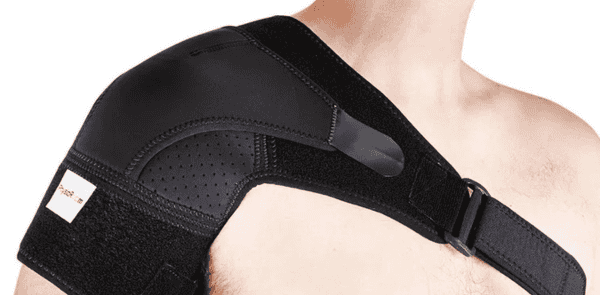
A shoulder support belt is a common medical tool. Many people use it to manage injuries. It is also known as a shoulder brace or a shoulder support. These devices help stabilize the joint. They provide compression to injured tissues. However, many users do not use them correctly. Using a medical device the wrong way can lead to problems. It can slow down the healing process. It can also cause new injuries to occur.
In reality, there are particular rules to follow. It is important to follow the correct procedures. Understanding the mistakes is the first step toward recovery.
1. Choosing the Wrong Size
The most common mistake is picking the wrong size. A shoulder brace must fit the body correctly. If the brace is too large, it provides no support. It will slide around during movement. This prevents the compression needed for healing. If the brace is too small, it causes different issues. It can pinch the skin. It can also restrict blood flow to the arm.
- Measure accurately: Always measure the chest and arm circumference.
- Check the size chart: Every brand has different measurements.
- Test the fit: You should be able to slide two fingers under the straps.
- Avoid guessing: Do not pick a size based on your shirt size.
2. Wearing the Brace Too Tight
Many users think tighter is better. This is not true for a shoulder support belt. Extreme tightness can compress nerves. This leads to numbness in the hand. It can also cause tingling in the fingers. Proper compression should feel firm but not painful. If your skin turns red or blue, the belt is too tight.
Tightness also limits breathing. A chest strap that is too snug restricts the ribs. This makes daily tasks very uncomfortable. It can lead to fatigue. The goal is to support the joint. The goal is not to cut off circulation. Adjust the straps gradually until the shoulder feels secure.
3. Ignoring Professional Medical Advice
A shoulder support is a medical intervention. Some people buy one because they feel a slight ache. They do not visit a doctor first. This is a risky error. Not all shoulder injuries require a brace. Some injuries need total rest in a sling. Other injuries need specific exercises without a brace.
- Get a diagnosis: Know if you have a tear or a strain.
- Follow the timeline: A doctor will say how many hours to wear it.
- Ask about activities: Check if you should wear it during sleep.
- Report side effects: Tell a professional if the pain increases.
Self-treating a major injury is risky. It can lead to long-term joint stiffness. Always consult a physical therapist or a physician before starting use.
4. Over-reliance on the Support
Using a shoulder brace for too long is a mistake. The body has its own support system. This system consists of muscles and tendons. If you wear a brace all day and night, these muscles stop working. They become lazy and weak. This is called muscle atrophy.
Once the muscles are weak, the joint becomes unstable. This makes you more likely to get hurt again. A shoulder support should be a temporary aid. It is not a permanent replacement for muscle strength.
- Use it for specific tasks: Wear it during heavy lifting or sports.
- Take breaks: Remove the brace several times a day.
- Do your exercises: Perform the movements your therapist assigned.
- Gradual weaning: Reduce the hours of use as the shoulder gets stronger.
5. Incorrect Placement of Straps
The design of a shoulder support belt is specific. Each strap has a purpose. Some straps stabilize the collarbone. Others hold the arm bone in the socket. A common mistake is placing the straps in the wrong spots. If the main pad is not centered on the shoulder, it will not work.
Many users pull the straps too high. This puts pressure on the neck muscles. It can cause tension headaches. If the straps are too low, the arm is not supported. Read the instructions carefully. Most braces have a clear front and back. Make sure the joint is fully covered by the primary material.
6. Neglecting Skin Hygiene
Wearing a shoulder brace creates heat. Heat leads to sweat. Sweat trapped under a neoprene belt can cause skin irritation. Many users forget to clean their skin or the brace. This leads to rashes or fungal infections.
- Wear a base layer: Put a thin cotton t-shirt under the brace.
- Clean the skin: Wash the area with mild soap daily.
- Dry the area: Ensure the skin is completely dry before putting the brace back on.
- Check for sores: Inspect the skin for any signs of rubbing or blisters.
Hygiene is part of the recovery process. An infected skin rash will make wearing the support impossible.
7. Sleeping in the Brace Incorrectly
If a doctor tells you to wear a brace at night, you should be careful. Sleeping on a shoulder support can be difficult. Many people roll onto the injured side. This puts all their body weight on the brace and the injury.
- Sleep on your back
- Support the elbow with a pillow to prevent pulling.
- The brace should be looser during sleep.
- Avoid the stomach position. This twists the neck and shoulder.
Sleeping correctly prevents morning stiffness. It also ensures the brace does not cut off circulation while you are unconscious.
Final Thoughts
Avoiding mistakes with shoulder support aids is necessary. A shoulder support belt is an effective tool when used with care. You should choose the right size and maintain proper tension. You must listen to medical experts instead of guessing. Do not let your muscles become weak by wearing the brace too often. Keep your skin and the device clean to avoid irritation.
The goal of a shoulder brace is to return you to normal activity. It should provide stability and confidence. Mistakes lead to setbacks. Correct usage leads to progress. Also, this approach will lead to the best possible outcome for your shoulder health.
