

Utah health authorities have confirmed two new cases of measles, sparking renewed concerns over the virus’s return in the state. These newly reported infections highlight the growing public health risk, especially for communities with lower vaccination rates.
The Utah Department of Health and Human Services (UDOH) is actively monitoring the situation, tracing contacts, and urging the public to stay informed. Measles, a highly contagious virus, can cause severe complications, particularly in young children and immunocompromised individuals.
As national measles numbers rise, Utah’s fresh outbreak adds to a troubling pattern across several states. Experts warn that even isolated cases can escalate quickly in unvaccinated populations. Here’s what you need to know about the virus, prevention, and how the state is responding.
What We Know About the Utah Measles Cases
According to UDOH officials, both patients recently traveled out of state before showing symptoms. They were unvaccinated and began experiencing fever, cough, runny nose, and a distinctive rash classic signs of measles shortly after returning.
Health authorities are now reaching out to anyone who may have been exposed in public spaces, including clinics, grocery stores, and public transportation.
No hospitalizations have been reported yet, but public health officials are urging anyone with symptoms to seek medical advice before visiting healthcare centers to avoid exposing others.
What Is Measles and Why It’s So Dangerous
Measles is a highly contagious viral illness caused by the rubeola virus. It spreads through airborne droplets when an infected person coughs or sneezes. In crowded or closed environments, it can remain active in the air for up to two hours.
While it may seem like a childhood illness, measles can lead to serious complications, including:
- Pneumonia
- Brain swelling (encephalitis)
- Permanent hearing loss
- Death (in severe cases)
Approximately 1 in 5 unvaccinated individuals infected with measles may require hospitalization. Children under 5 and adults over 20 are particularly at risk.
Symptoms to Watch For
The symptoms of measles typically appear 7 to 14 days after exposure. Here are the signs to look out for:
- High fever (often over 101°F)
- Cough and runny nose
- Red, watery eyes (conjunctivitis)
- Tiny white spots inside the mouth
- Reddish rash starting at the hairline and spreading down the body
If you or someone you know experiences these symptoms, contact a healthcare provider immediately, especially if you’re unvaccinated or recently traveled.
How Measles Spreads and Why It Spreads So Quickly
Measles is among the most contagious diseases known to humans. An infected person can spread it to 9 out of 10 unvaccinated people they come into contact with.
It spreads through:
- Coughing or sneezing
- Sharing space in enclosed areas
- Touching contaminated surfaces and then touching your face
Because of its airborne nature, you don’t need to be in direct contact with an infected person to catch measles you could walk into a room two hours later and still be exposed.
Vaccination: Your Strongest Shield
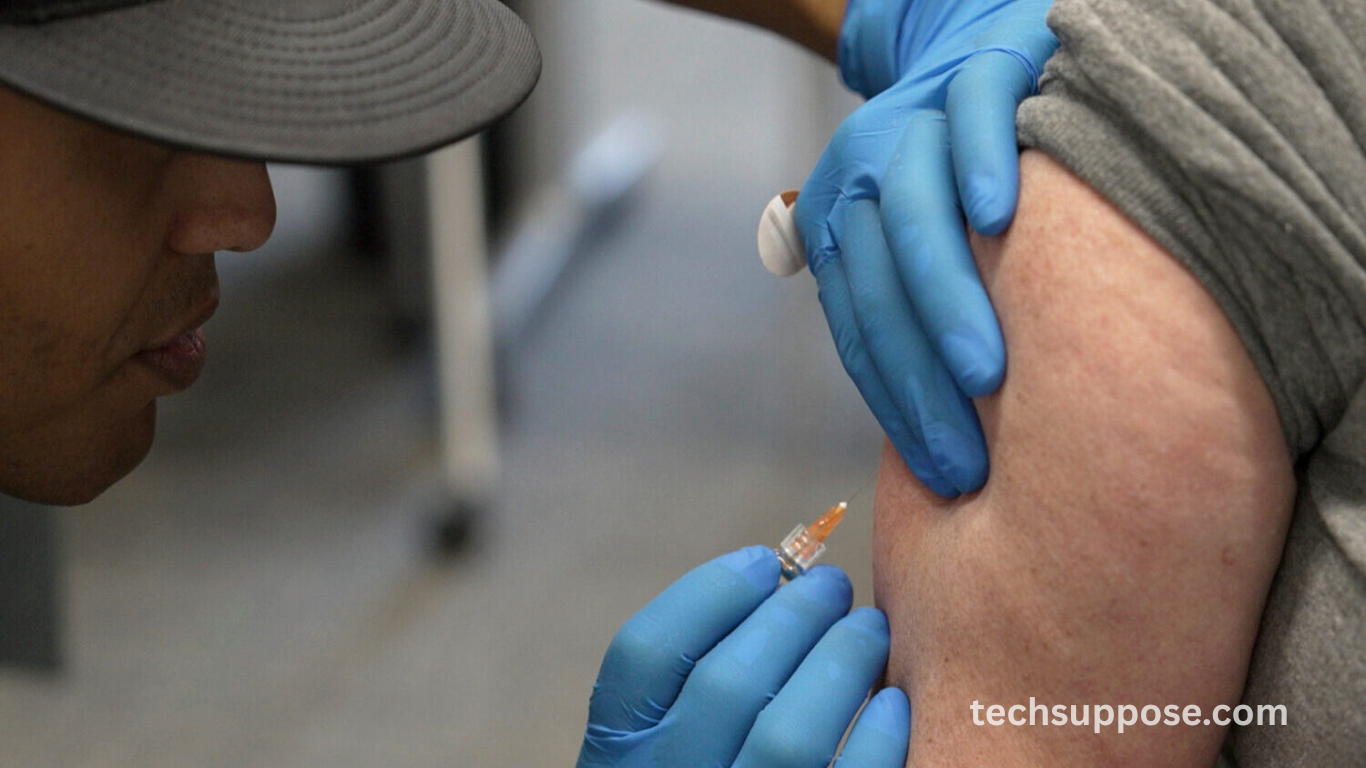
The MMR vaccine (Measles, Mumps, Rubella) is 95% effective after one dose and 99% effective after two. It is the best protection available and has been widely used in the United States since the 1970s.
Despite vaccine availability, hesitancy and misinformation have led to declining vaccination rates in some communities. In Utah, MMR vaccination coverage has dropped slightly in recent years, making these outbreaks more likely.
Read More: Drinking Milk at Breakfast Reduces Blood Sugar Levels
Children should get their first MMR dose at 12-15 months and the second at 4-6 years.
Adults born after 1957 who are unsure of their vaccination status should consult their healthcare provider for an MMR booster or a blood test for immunity.
Utah’s Public Health Response
In response to the current measles cases, UDOH has taken several immediate steps:
- Contact tracing of potentially exposed individuals
- Issuing public health alerts in the counties affected
- Recommending isolation for those showing symptoms
- Setting up mobile vaccination clinics
Public health officials are also collaborating with local schools and community organizations to boost awareness and improve access to vaccines.
National and Global Trends: Measles on the Rise
The cases in Utah reflect a wider trend. The CDC has reported a rise in measles cases across the U.S. in 2025, primarily linked to international travel and vaccine gaps. Globally, the World Health Organization warns of a resurgence, especially in regions affected by vaccine disruptions during the COVID-19 pandemic.
Travelers entering or leaving the U.S. are strongly advised to check their MMR vaccination status, especially when visiting areas experiencing measles outbreaks.
What You Can Do to Stay Safe
Whether you live in Utah or are traveling, here are key steps to reduce your risk:
- Get vaccinated if you haven’t already
- Check your children’s immunization records
- Avoid close contact with symptomatic individuals
- Stay informed through official public health websites
- Wear masks in outbreak zones (especially indoors)
If you’re unsure about your immunity status, speak with your healthcare provider for testing or booster shots.
Frequently Asked Questions
What caused the recent measles cases in Utah?
The two confirmed cases are linked to out-of-state travel by unvaccinated individuals. Community spread is being closely monitored.
How can I protect my child from measles?
Ensure your child receives two doses of the MMR vaccine. Avoid exposing them to unvaccinated individuals during outbreaks.
Is measles really that dangerous?
Yes. Measles can cause severe complications like pneumonia, brain inflammation, and even death in some cases, especially in young children.
I had measles as a child. Do I still need the vaccine?
If you had measles or received two MMR doses, you’re likely immune. If unsure, a blood test can check your immunity levels.
Can vaccinated people still get measles?
It’s rare. Two doses of the MMR vaccine provide nearly 99% protection. Breakthrough cases are extremely uncommon and usually mild.
Are adults required to get the MMR vaccine?
Adults born before 1957 are considered immune. Others should consult a healthcare provider if they haven’t had two documented doses.
What are the early signs of measles I should look for?
Look for high fever, runny nose, red eyes, cough, and a rash that starts on the face and spreads downward.
Can I travel if there’s a measles outbreak in my state?
Yes, but ensure you’re vaccinated. Unvaccinated individuals should avoid travel during outbreaks to prevent spreading the virus.
Conclusion
The confirmation of two new measles cases in Utah serves as a serious reminder of how quickly vaccine-preventable diseases can reemerge. While health officials act swiftly to contain the spread, the best protection remains vaccination and public awareness. Staying informed, checking immunization status, and avoiding misinformation are key to keeping Utah and other communities safe from future outbreaks.