

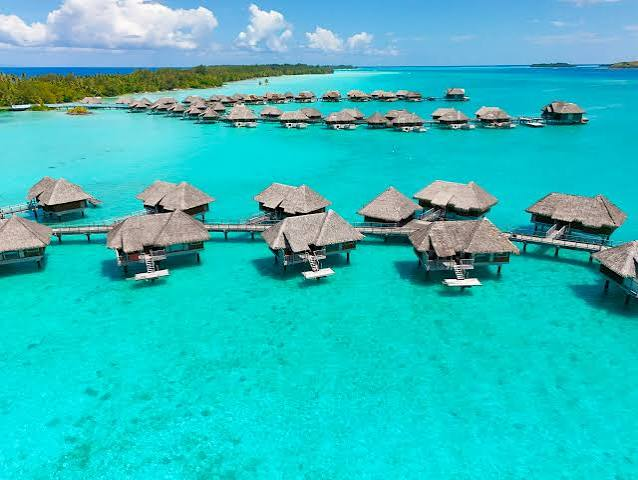
Planning a trip to Bora Bora is not like planning a trip to most other destinations. The island sits in the middle of the South Pacific, roughly an hour’s flight from Tahiti, and it operates on a set of logistical realities that most travel content glosses over. The overwater bungalows are real. The lagoon is genuinely that color. But getting there, staying there, and making the experience work within a defined budget and timeline requires a level of planning that goes well beyond browsing photos and picking dates.
What catches most travelers off guard is not the cost itself — it is the structure of the cost. Nearly everything on the island is imported. Ground transportation options are limited. The resorts are largely self-contained by design. And the gap between what an all-inclusive package actually covers and what it does not can determine whether a trip feels like a complete experience or a series of unexpected add-on expenses. Understanding how this destination is built, how the all-inclusive model functions within it, and how to sequence your decisions is what separates a well-planned trip from an expensive one that still felt incomplete.
How the All-Inclusive Model Actually Works in Bora Bora
The all-inclusive format in Bora Bora differs significantly from what most travelers associate with Caribbean or Mexican resort packages. In those regions, all-inclusive typically means unlimited food and drink within a large resort property, often with multiple restaurants and entertainment included. In Bora Bora, the model is more restrained and more curated, which is both its strength and its limitation. A well-structured All Inclusive Bora Bora Trips guide will tell you that the terminology here often refers to room, meals, non-motorized water activities, and sometimes one or two excursions — but rarely alcohol at full volume, premium dining upgrades, motorized water sports, or spa services.
This is not a bait-and-switch. It is a reflection of the island’s operational reality. Because most goods are imported and resort staff-to-guest ratios are high, the cost base at every Bora Bora property is substantially higher than comparable resorts elsewhere. What all-inclusive packaging does in this context is reduce the number of daily decisions you need to make about spending, not eliminate them entirely.
What Is Typically Included and What Is Not
Standard all inclusive bora bora trips packages at most luxury properties cover breakfast and dinner daily, with some extending to full board. Non-motorized activities such as kayaking, snorkeling gear, and outrigger canoes are usually provided without charge. Airport transfers between the main island ferry terminal and the resort pier are often included at the higher package tiers.
What falls outside most packages includes motorized excursions such as shark and ray feeding tours, jet ski rentals, submarine tours, and helicopter transfers from Tahiti’s Faa’a International Airport to Bora Bora. Premium wine selections, cocktails beyond a house pour, and à la carte dining at specialty restaurants within the resort are also commonly excluded, even in packages marketed as comprehensive.
Understanding this distinction before you book prevents the most common source of frustration: arriving with the expectation that the package covers the experience, only to find that the experiences you specifically wanted sit outside its scope.
Choosing the Right Time of Year Without Oversimplifying the Decision
Bora Bora has two recognizable seasons: a dry season running roughly from May through October, and a wet season from November through April. Most travel content presents this as a straightforward choice — go during the dry season, avoid the wet season. The reality is more layered, and collapsing the decision to that binary often leads travelers to either overpay during peak demand or dismiss perfectly viable travel windows.
The dry season does offer more consistent weather, calmer lagoon conditions, and clearer underwater visibility for snorkeling and diving. It also coincides with peak European and North American vacation schedules, which drives both demand and pricing. According to French Polynesia tourism data, July and August see the highest visitor volumes of any months in the calendar year, which affects not just resort rates but also flight availability and the general atmosphere of the island itself.
The Case for Shoulder Months
April and November represent the clearest shoulder periods in Bora Bora’s travel calendar. The weather in these months is generally transitional — April sits just before the dry season stabilizes, while November sits at the edge of the wet season’s beginning. In practice, both months offer conditions that are quite manageable, particularly in the first two to three weeks of November before rainfall frequency increases.
The financial difference between booking a resort stay in August versus November can be significant across a week-long stay. The same overwater bungalow category at the same property can reflect different rate tiers depending on the season, and when factoring in airfare from North America, the cumulative difference between peak and shoulder timing can reshape what kind of package you are able to book within a given budget.
What the Wet Season Actually Means on the Ground
Wet season in Bora Bora does not mean continuous rain. It means higher humidity, periodic heavy showers that typically pass within an hour or two, and occasionally overcast mornings that clear by midday. For travelers whose priority is snorkeling, lagoon tours, or beach time, the wet season reduces reliability — not the possibility — of good conditions. For travelers whose priority is the overwater bungalow experience, relaxation, and resort-based activities, the wet season is more workable than its reputation suggests, and it comes with meaningful pricing advantages.
Flights and Inter-Island Transfers: The Logistics Most Guides Skip Over
There are no direct flights from North America or Europe to Bora Bora. Every traveler arriving from outside French Polynesia lands at Faa’a International Airport in Papeete, on the island of Tahiti, and then takes either a domestic Air Tahiti flight or a combination of ferry and speedboat to reach Bora Bora. This step is not a minor footnote. It adds meaningful time and coordination to every arrival and departure, and it is the single logistical element most travelers underestimate during planning.
The Air Tahiti flight from Papeete to Bora Bora takes approximately fifty minutes, and this domestic connection must be booked separately from your international flight. Air Tahiti operates on its own booking system, has its own luggage allowances and policies, and does not have the same seat inventory as major international carriers. During peak season, domestic flights can fill weeks in advance, and missing a connection in Papeete can cascade into a full day of disruption at the start or end of your trip.
How Resort Transfers Fit Into the Timeline
Most major resorts in Bora Bora are located on the motu — the small islets that ring the lagoon — rather than on the main island. This means that even after arriving at the Bora Bora airport, guests board a boat transfer operated by the resort to reach the property. This final transfer is typically included in the booking, but it runs on a schedule. Guests who miss a transfer window due to late domestic flight arrivals often wait at the airport dock for the next available boat, which can be an hour or more away.
This is why building buffer time into arrival days matters. Booking domestic Air Tahiti connections with at least a two-to-three hour window from international arrival is considered standard practice for experienced travelers to this region, not excessive caution. The French Polynesia tourism authority provides clear guidance on inter-island travel requirements through Tahiti Tourisme, including documentation and timing recommendations that are worth reviewing before finalizing any itinerary.
What Activities Belong in the Budget and What Can Wait
The lagoon surrounding Bora Bora is one of the most biologically active shallow water environments in the South Pacific. Snorkeling from resort beaches accesses only part of it. The interior of the lagoon, particularly the coral gardens and the nursery areas where juvenile blacktip reef sharks are commonly found, requires a guided boat excursion to reach properly. These tours, typically running two to four hours, are among the most consistent highlights travelers report — and they are almost never included in even the most comprehensive all inclusive bora bora trips packages.
Budgeting for two to three paid excursions per person, per trip, is reasonable. These might include a shark and ray snorkeling tour, a sunset lagoon cruise, and a circle island jeep tour. Beyond this, the resort itself provides sufficient activity variety for most guests. Overextending the excursion schedule can undercut the restful experience that most people traveling to Bora Bora are actually seeking.
Spa Services as a Separate Budget Line
Bora Bora’s resort spas are exceptional and expensive. They are not included in all-inclusive pricing. If spa services are part of the experience you are planning for, allocating a specific budget line for them during trip planning prevents them from feeling like a surprise cost on checkout day. Some resorts offer spa packages that can be pre-purchased at a modest discount versus day-of pricing, and these are worth asking about at booking.
Booking Sequencing: What Order Decisions Should Be Made In
The most common planning mistake for all inclusive bora bora trips is booking international flights before confirming resort availability. Because overwater bungalow inventory at the major properties is limited — some resorts have fewer than eighty units total — the most desirable categories during peak periods sell out well before airfare deals typically appear. Locking in the resort first, then building the flight and domestic connection around confirmed dates, is the more reliable approach.
This sequencing also allows the resort booking to inform the domestic Air Tahiti leg, since some properties can assist guests with Air Tahiti reservations as part of their pre-arrival coordination. Working through a travel specialist who handles French Polynesia specifically is often more efficient than managing these components independently, particularly for first-time visitors who are unfamiliar with how the logistics connect.
Closing Thoughts: Planning Bora Bora as a Logistics Problem, Not Just a Dream Destination
Bora Bora delivers on its reputation. The lagoon is extraordinary, the overwater bungalow experience is genuinely unlike anything else in mainstream travel, and the island’s scale — small enough to feel intimate, structured enough to feel functional — makes it accessible without feeling crowded. But the gap between a satisfying trip and a frustrating one is almost always found in the planning stage, not the destination itself.
All inclusive bora bora trips provide a useful framework for managing costs and reducing decision fatigue on the ground. They are not a substitute for understanding what the package actually covers, how the inter-island logistics work, when to go based on your specific priorities, and how to sequence your booking decisions in the right order. Travelers who approach Bora Bora with that operational clarity tend to leave with exactly the experience they imagined. Those who rely on the destination’s reputation to carry the planning rarely do.
The island rewards careful preparation. Given what it costs to get there and stay there, that preparation is simply the right investment to make before any commitment is finalized.
