

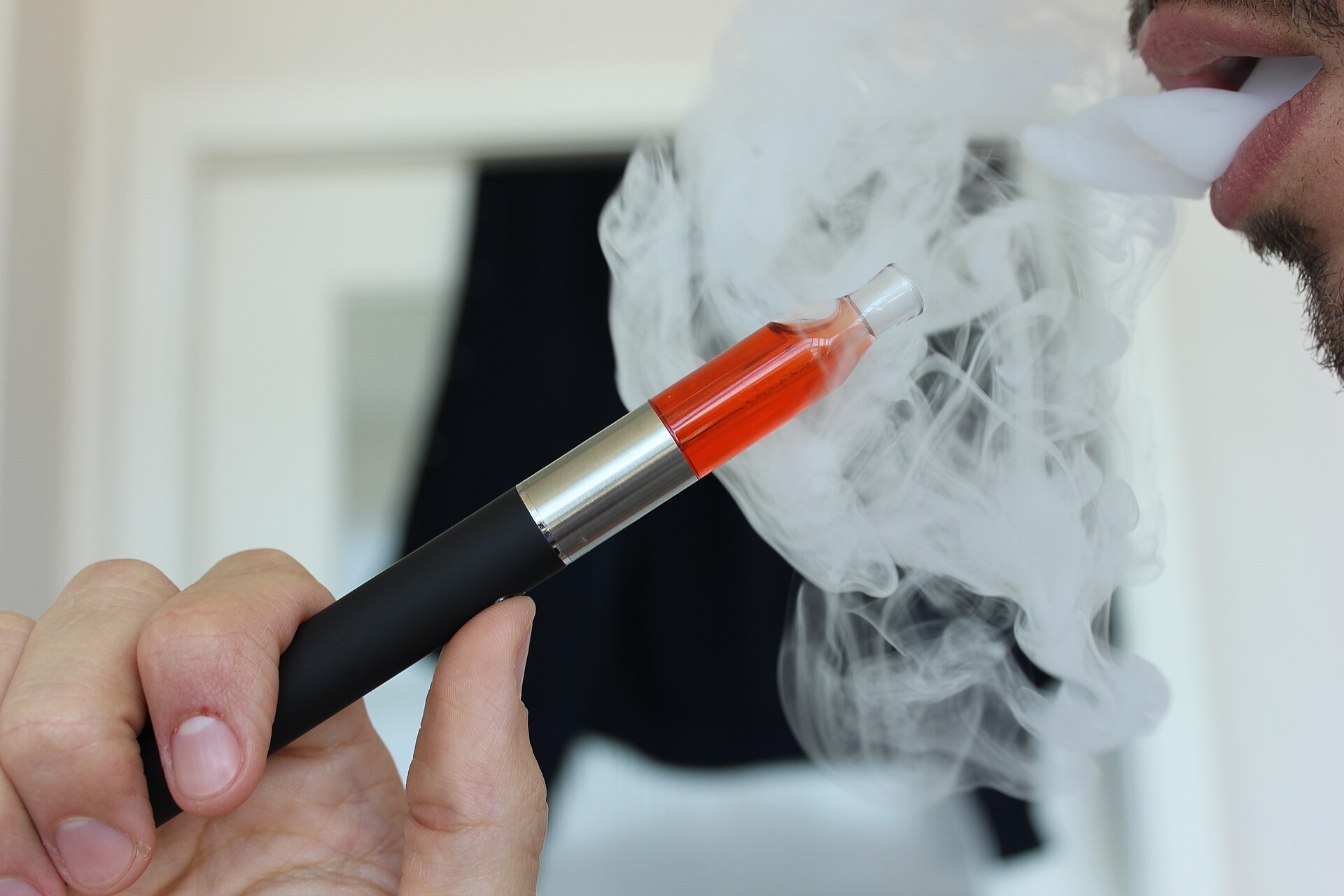
For a former smoker, few questions feel more personal than this one: having given up cigarettes, possibly with the help of an e-cigarette, have you genuinely lowered your risk of lung cancer — or have you simply swapped one danger for another? Researchers who study vaping say the evidence points in a reassuring direction compared with continued smoking, but they are equally clear that the long-term data needed for a definitive answer on vaping itself does not yet exist.
An e-cigarette works by heating a flavoured liquid, usually containing nicotine, into an aerosol. Nothing burns, and that single difference matters a great deal. Cigarette smoke is a complex mixture produced by combustion, containing tar and dozens of known carcinogens. The aerosol from a vaping device contains a much shorter list of harmful substances, generally at far lower concentrations. The World Health Organization nonetheless stresses that e-cigarettes are harmful products that should be regulated, and that they are particularly dangerous for adolescents and pregnant women.
The timeline problem in cancer research
Lung cancer is a slow disease. In smokers, it usually emerges after twenty or thirty years of exposure, which means scientists evaluating vaping — a habit that only became common in the last decade and a half — are still inside the waiting period. Cohort studies now following vapers will need many more years before they can show whether cancer rates differ from those of people who never used nicotine at all. You can follow other long-running health research stories in our latest reporting collected on the homepage.
What researchers can do today is examine the aerosol itself and its effects on cells. Laboratory work has detected substances such as formaldehyde, acrolein and traces of metals including nickel and lead in some vapour samples, with levels influenced by device temperature and design. Cell and animal experiments have linked heavy aerosol exposure to inflammation and DNA damage in lung tissue. These are warning signs worth taking seriously, even though translating them into a numerical cancer risk for humans is not yet possible.
Studies of former smokers who vape
Most adults who vape previously smoked, and that history complicates every dataset. When a study finds lung disease among vapers, separating the contribution of past cigarettes from current vapour is extremely hard. One widely discussed analysis published in 2024 found that former smokers who used e-cigarettes after quitting had higher lung cancer incidence than former smokers who abstained from nicotine, but the authors and outside experts alike noted the difficulty of adjusting for how much each person had smoked before quitting.
The position of the National Cancer Institute captures the consensus: a causal link between vaping and lung cancer in humans has not been established, but the aerosol is not harmless, and research is ongoing. Absence of proof, scientists emphasise, should never be mistaken for proof of absence.
Weighing relative risk
Comparison with cigarettes remains the strongest part of the evidence. Toxicologists consistently find that people who switch completely from smoking to vaping reduce their exposure to most measured carcinogens dramatically. That is the basis on which some doctors support vaping as a transitional tool for smokers who have failed to quit by other means. The benefit shrinks, however, for dual users who continue smoking alongside vaping, because tobacco smoke remains in the picture.
Practical takeaways
Researchers also point out that not all vaping carries equal exposure. Device power, coil temperature, liquid composition and puffing behaviour all change what reaches the lungs, which is one reason blanket statements about risk satisfy nobody in the field. Regulatory standards that limit overheating and restrict the most questionable flavouring chemicals could, in principle, reduce whatever risk exists, even before the long-term epidemiology arrives. For now, that variability is another argument for the cautious middle position the evidence supports: e-cigarettes are a substantially lower-exposure alternative for smokers who switch completely, they are an unnecessary exposure for everyone else, and their final verdict on lung cancer will be delivered by cohort studies that are still, patiently, counting the years.
If you quit smoking and now vape, the research supports two conclusions at once. You have very likely reduced your exposure to the chemicals most strongly tied to lung cancer, which is a genuine achievement worth protecting. At the same time, treating the e-cigarette as a bridge — with complete nicotine cessation as the eventual destination — is the course best aligned with the evidence. Anyone worried about symptoms, or wanting personalised advice on quitting or lung screening, should consult a doctor or another healthcare professional rather than relying on general articles such as this one.
