Close Menu
    Facebook X (Twitter) Instagram
    Trending
    • Ocean Soaks Up More Carbon Dioxide While Land Uptake Stalls, Data Show
    • Earth’s Temporary Mini-Moon Asteroid Is Set to Drift Away in December
    • From X-Rays to 3D Scans: How Technology Is Changing the Everyday Dental Visit
    • Life With Pets Is Unpredictable: Why bObsweep Combines Pet-Focused Cleaning With Personal Support
    • Travelling to Saudi Arabia? Get Your Visa Application Ready
    • What Makes Church Carpet Cleaning Different from Home Cleaning?
    • Perseverance Collects Its First Mars Sample in Over a Year
    • Leonid Meteors Streaked Across November Skies at 70 km per Second
    X (Twitter) Instagram WhatsApp Telegram
    TechSuppose
    • Home
    • Technology
    • Business
    • Finance
    • Health
    • Cyber security
    • Review
    TechSuppose
    Home»blog»Ocean Soaks Up More Carbon Dioxide While Land Uptake Stalls, Data Show
    blog

    Ocean Soaks Up More Carbon Dioxide While Land Uptake Stalls, Data Show

    Maja NilssonBy Maja NilssonNovember 26, 2026No Comments3 Mins Read
    Facebook Twitter Pinterest LinkedIn Tumblr WhatsApp Email
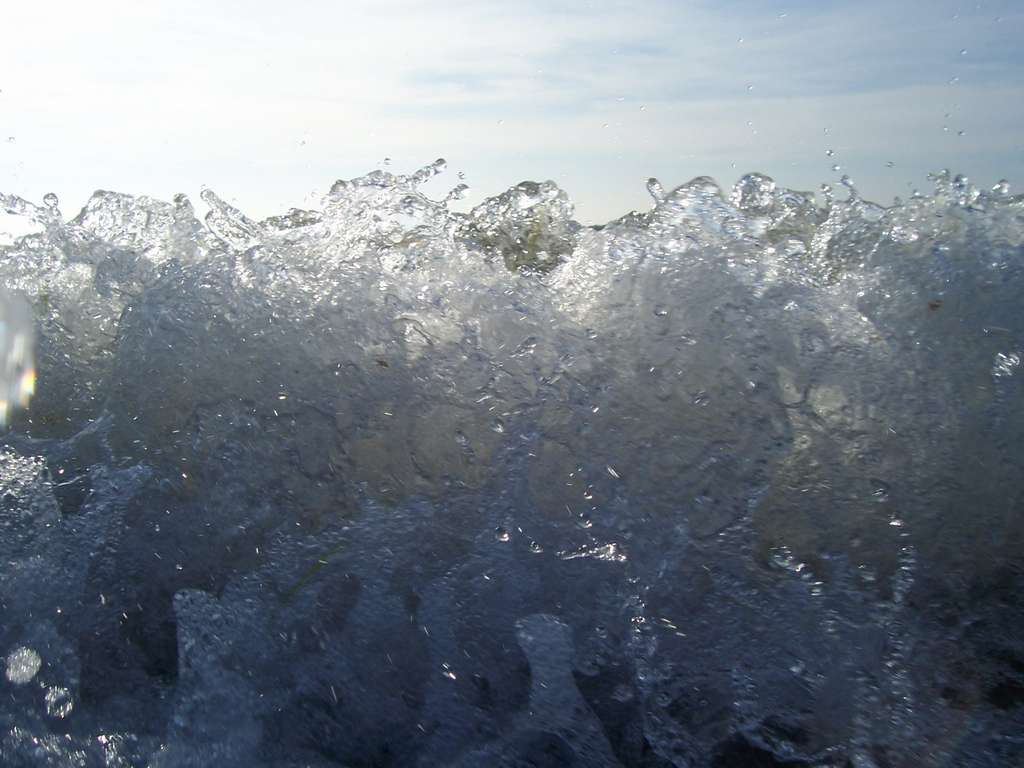
    Waves roll across the surface of the open ocean.

    The ocean has taken up a growing share of the carbon dioxide from fossil fuels since 1990, while the land’s uptake has stood still, according to more than thirty years of measurements by researchers at the Scripps Institution of Oceanography. The team measured oxygen and carbon dioxide in air collected at ten sites from the Arctic to the South Pole. From 1990 to 2019, the ocean took up about 35 percent of fossil-fuel carbon dioxide, and the amount grew year by year. The land took up about 13 percent, but over the long run it did not grow, and after peaking around 2009 it tended to fall. The findings were reported in Science in November 2026.

    What the Evidence Shows

    The researchers used oxygen as their clue, because burning fuel adds carbon dioxide and uses up oxygen at the same time. Tracking both gases lets scientists work out how much carbon dioxide ends up in the ocean, how much stays in the air and how much the land absorbs. A growing ocean uptake is not simply good news, because the extra carbon dioxide makes seawater more acidic and threatens shellfish, corals and other marine life. The flat land uptake also raises questions about forests and soils, which were expected to absorb more carbon as emissions rose, and about how the carbon cycle will behave as the planet keeps warming in the decades ahead. Reporting and analysis from sources such as National Science Foundation track the same developments, and specialists following the ocean carbon uptake findings say the direction is now consistent across independent lines of evidence.

    The Wider Context

    The wider context is a research landscape in which replication and open data now decide reputations. Findings connected to the ocean carbon uptake findings are being checked by independent groups with shared datasets, and the teams involved publish their methods in full so rivals can test every step. That discipline is slower than a headline cycle, but it is why results in this area increasingly survive first contact with scrutiny.

    What Happens Next

    What happens next in the story of the ocean carbon uptake findings will be decided by follow-up work already under way: larger samples, longer observation and instruments that have not yet come online. The researchers involved are unusually united on one point, that the current results justify the next investment of time and money. Readers will not have to wait long for the first tests of that claim. You can follow related developments in our coverage of science.

    There is a practical lesson in all of this for readers deciding what to do today. Start with the verified facts, be wary of anyone promising certainty, and prefer reversible steps while the evidence is still developing. Circumstances differ by country, income and personal situation, so general guidance should always be weighed against your own context before you act on it in any significant or lasting way.

    Carbon dioxide climate Ocean carbon
    Maja Nilsson

    Related Posts

    Earth’s Temporary Mini-Moon Asteroid Is Set to Drift Away in December

    November 26, 2026

    Life With Pets Is Unpredictable: Why bObsweep Combines Pet-Focused Cleaning With Personal Support

    November 25, 2026

    Travelling to Saudi Arabia? Get Your Visa Application Ready

    November 25, 2026

    What Makes Church Carpet Cleaning Different from Home Cleaning?

    November 25, 2026

    Perseverance Collects Its First Mars Sample in Over a Year

    November 25, 2026

    Leonid Meteors Streaked Across November Skies at 70 km per Second

    November 25, 2026
    Add A Comment
    Leave A Reply Cancel Reply

    Search
    Recent Posts

    Ocean Soaks Up More Carbon Dioxide While Land Uptake Stalls, Data Show

    November 26, 2026

    Earth’s Temporary Mini-Moon Asteroid Is Set to Drift Away in December

    November 26, 2026

    From X-Rays to 3D Scans: How Technology Is Changing the Everyday Dental Visit

    November 26, 2026

    Life With Pets Is Unpredictable: Why bObsweep Combines Pet-Focused Cleaning With Personal Support

    November 25, 2026

    Travelling to Saudi Arabia? Get Your Visa Application Ready

    November 25, 2026

    What Makes Church Carpet Cleaning Different from Home Cleaning?

    November 25, 2026
    About Us

    TechSuppose delivers cutting-edge insights and trends in technology, business, finance, health, and cybersecurity.

    Featuring expert analysis and in-depth reviews, the site offers future-focused content designed to keep readers informed and prepared for rapid changes across industries, empowering smart decisions and innovation in a fast-evolving world. #TechSuppose

    Popular Posts

    Ocean Soaks Up More Carbon Dioxide While Land Uptake Stalls, Data Show

    November 26, 2026

    Earth’s Temporary Mini-Moon Asteroid Is Set to Drift Away in December

    November 26, 2026

    From X-Rays to 3D Scans: How Technology Is Changing the Everyday Dental Visit

    November 26, 2026
    Contact Us

    If you have any questions or need further information, feel free to reach out to us at

    Email: lesley.official47@gmail. com
    Phone: +92 3291484123

    Address: 757 Coffman Alley
    Elizabethtown, KY 42701

    Ufabet | สล็อต | หวยออนไลน์ | สล็อต | เว็บสล็อต| สล็อต | เว็บหวยออนไลน์ | แทงบอล |

    Facebook X (Twitter) Instagram Pinterest
    • About Us
    • Contact Us
    • Disclaimer
    • Privacy Policy
    • Terms and Conditions
    • Write For Us
    • Sitemap
    Copyright © 2026 | All Rights Reserved | TechSuppose

    Type above and press Enter to search. Press Esc to cancel.

    WhatsApp us