

A lithium-ion battery for an e-bike has a direct impact on performance, riding range, weight, and the overall riding experience. As electric bicycles continue to gain popularity in urban transport, tourism, logistics, and recreation, battery technology has become one of the most important components influencing reliability and efficiency. Modern lithium-ion battery packs offer high energy density, long service life, and compact dimensions, making them the preferred choice for manufacturers developing advanced e-bike solutions.
Why Is a Lithium-Ion Battery the Standard for E-Bikes?
A lithium-ion battery for an e-bike delivers an excellent balance between power output, weight, charging speed, and durability. Compared with older battery technologies, lithium-ion cells store significantly more energy in a smaller and lighter package. This allows manufacturers to create electric bicycles with longer riding ranges while maintaining comfortable handling and an attractive frame design.
The technology also offers stable voltage throughout most of the discharge cycle, ensuring consistent motor performance from the beginning of a ride until the battery reaches a low state of charge. Fast charging capabilities further improve usability, allowing riders to spend more time on the road and less time waiting for the battery to recharge.
Another important advantage is the long operational lifespan. When equipped with premium cells and an advanced Battery Management System (BMS), lithium-ion batteries can maintain high performance over hundreds or even thousands of charging cycles, reducing replacement frequency and lowering the total cost of ownership.
What Determines the Performance of an E-Bike Battery?
Battery performance is influenced by far more than its stated capacity. Every component of the battery pack contributes to efficiency, safety, and long-term reliability.
The quality of the individual lithium-ion cells forms the foundation of the entire system. High-grade cells provide greater energy density, improved thermal stability, and more consistent charging and discharging characteristics. Equally important is the Battery Management System, which continuously monitors voltage, current, and temperature while balancing individual cells. This intelligent electronic system protects the battery against overcharging, excessive discharge, overheating, and abnormal operating conditions that could shorten battery life.
Mechanical design also plays a significant role. A properly engineered enclosure protects sensitive electronic components against vibration, moisture, dust, and mechanical impacts encountered during everyday riding. Thermal management solutions help maintain stable operating temperatures, particularly in demanding environments or during prolonged use under heavy loads.
Battery capacity, measured in watt-hours (Wh), determines how much energy can be stored. Larger capacities generally provide longer riding ranges, although actual performance always depends on additional factors such as rider weight, terrain, weather conditions, assistance level, and riding style.
Where Are Lithium-Ion Batteries Used in Electric Bikes?
Lithium-ion battery technology supports virtually every segment of today’s electric bicycle market. The flexibility of modern battery systems makes them suitable for both consumer and commercial applications, regardless of vehicle size or intended use.
Typical applications include:
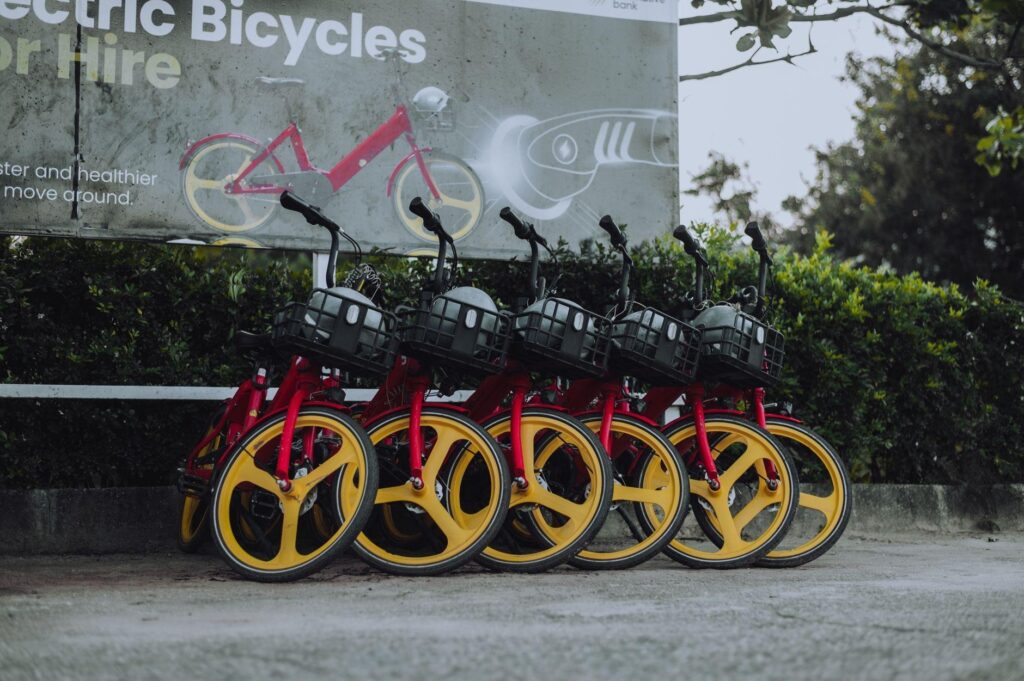
- City and commuter e-bikes, trekking bicycles, electric mountain bikes, folding e-bikes, cargo bikes, delivery bicycles, shared mobility fleets, and other professional e-mobility solutions.
Each category places different demands on battery capacity, discharge characteristics, charging speed, and overall durability. Matching the battery design to the intended application improves efficiency while ensuring consistent performance throughout the vehicle’s operating life.
Why Choose EMBS for E-Bike Battery Development?
EMBS provides advanced lithium-ion battery solutions for e-bike manufacturers and OEM customers seeking reliable, scalable, and application-specific energy systems. Rather than relying on universal battery packs, every project is developed according to the technical requirements of the final product.
The development process includes battery pack engineering, mechanical and electrical design, Battery Management System integration, validation testing, and scalable manufacturing. Careful selection of lithium-ion cells and high-quality electronic components helps ensure stable performance, extended service life, and dependable operation across a wide range of operating conditions.
This engineering-focused approach allows manufacturers to develop electric bicycles with battery systems that meet demanding expectations for performance, safety, and long-term reliability.
Frequently Asked Questions
How long does a lithium-ion battery for an e-bike last?
A high-quality lithium-ion battery typically delivers between 800 and 1,500 charging cycles, although actual lifespan depends on battery quality, operating conditions, charging habits, and temperature.
What affects the riding range of an e-bike?
Battery capacity is only one factor. Rider weight, terrain, weather conditions, assistance level, motor efficiency, tire pressure, and riding style all influence the achievable range.
Can an e-bike battery be customized?
Yes. Custom battery packs can be designed with specific voltages, capacities, dimensions, communication interfaces, connectors, and enclosure configurations to match individual OEM requirements.
Why is the Battery Management System important?
The Battery Management System continuously monitors battery operation, protects against electrical faults, balances individual cells, and helps maximize battery safety and lifespan.
