

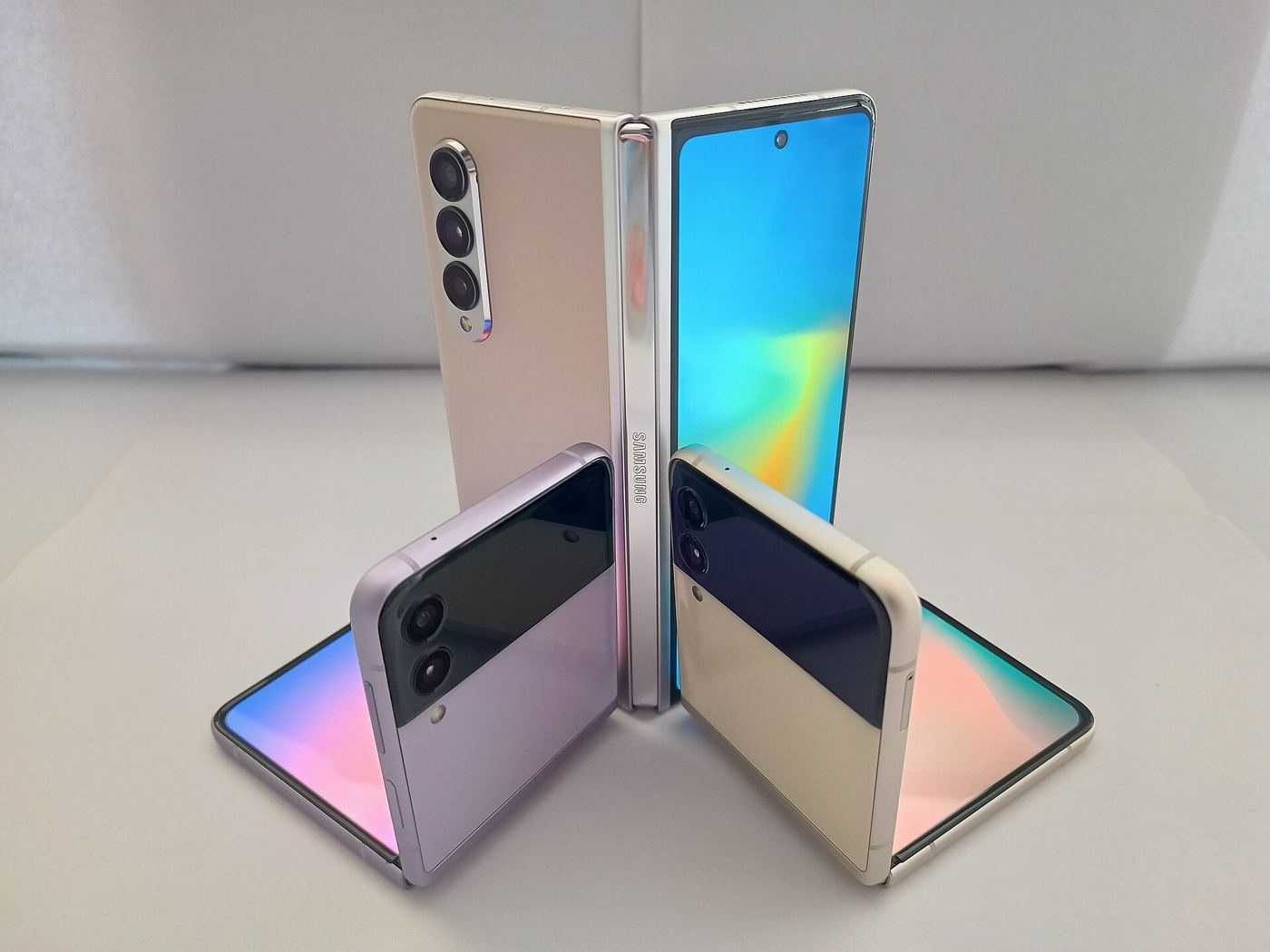
The foldable phone has stopped apologising. The latest generation folds flat without a wedge gap, shrugs off dust ratings that eluded earlier models, and — most importantly for the category’s future — undercuts the prices that kept foldables as executive toys. The crease is still there if you hunt for it, but for most owners it has faded into the background of daily use.
Durability drove the redesign. Hinge mechanisms now use fewer moving parts, ultra-thin glass has toughened across generations, and manufacturers publish fold-cycle ratings the way they once published megapixels. Repair networks, a genuine weakness early on, have been folded into standard warranty programmes in most major markets.
Software finally pulls its weight
Hardware maturity exposed the real bottleneck: apps. This year the major platforms pushed adaptive-layout requirements into their stores, and the difference shows — multitasking pairs, drag-and-drop between windows and tabletop modes now behave consistently rather than as party tricks. Reviews from outlets such as GSMArena have shifted tone from “promising” to “practical”, a change our device coverage has charted across three generations.
The flip format, meanwhile, has found its audience among creators and anyone nostalgic for a phone that ends a call with intent.
Who should still wait
Foldables remain thicker and heavier than slabs, battery life trails the best conventional flagships, and screen replacements outside warranty are expensive. Camera hardware, while closing fast, still concedes a step to the manufacturer’s own top slab phone.
The repair question, answered slowly
Ownership costs long hid behind the sticker price. Screen replacements on early foldables were ruinous and scarce; both figures have improved as parts pipelines matured and independent repairers gained training and stock. Manufacturers now publish repairability information in several markets, and insurance attach rates — a good proxy for owner anxiety — have fallen toward ordinary flagship levels. The remaining premium is real but bounded, and buyers increasingly price it like any other feature trade-off rather than treating it as a deal-breaker.
Software support completes the ownership picture. The leading foldable lines now promise the same seven-year update horizons as their slab siblings, retiring the suspicion that a folding phone was a two-year experiment. A device meant to be kept is a different product from a device meant to be marveled at, and this generation is plainly the former.
There is one more constituency quietly converting: readers. The book-style foldable is the first phone that opens like the thing it replaces, and heavy readers — of articles, documents, comics — report the large inner screen changing their habits more than any multitasking demo. Manufacturers have noticed, shipping reading modes and partnerships with book platforms. The foldable may have been sold as two phones in one; for its happiest owners it turned out to be a paperback that also takes calls.
But the category’s question has changed. It is no longer whether foldables work — they demonstrably do — but whether your pockets and habits suit one. For a growing minority, the answer has become yes.
