

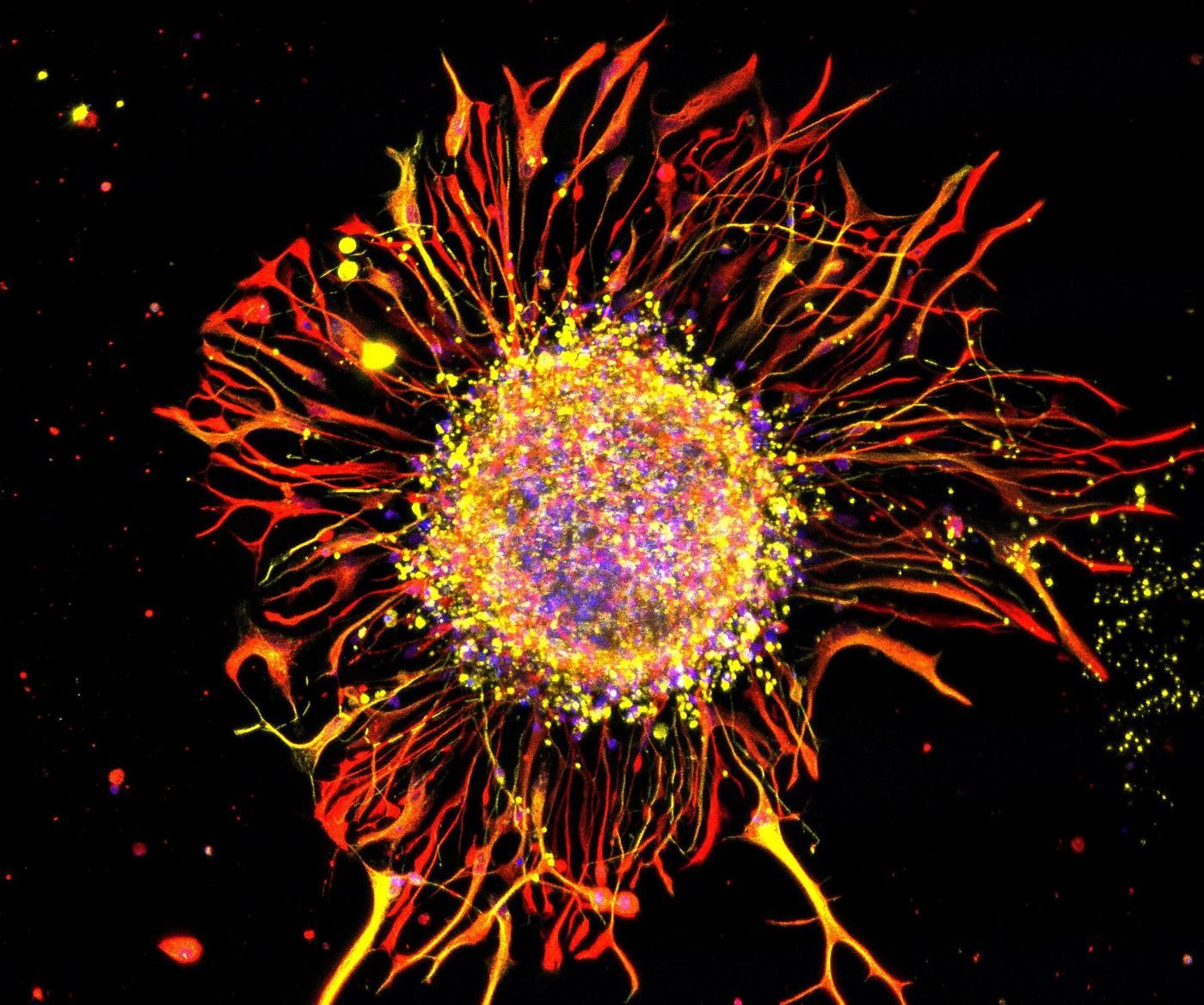
A gene that helps set a neuron’s identity also helps balance the circuits of the developing brain, according to new research from King’s College London. The study, published on 26 November 2026 in the journal Nature Neuroscience, found that the gene Fezf2 plays a second role beyond deciding the fate of a type of neuron in the brain’s cerebral cortex. In mice, Fezf2 helps particular inhibitory neurons form connections to particular excitatory neurons, shaping the balance between excitation and inhibition as the brain wires itself up. The finding links how neurons get their identity to how they connect with each other.
What the Evidence Shows
Fezf2 codes for a transcription factor, a protein that regulates other genes, and it was already known for deciding the developmental fate of cortical neurons. Using ribosome-associated mRNA profiling, the researchers looked for genes involved in forming inhibitory synapses when electrical activity in excitatory neurons changes, and they identified a gene called Cdh22 that helps anchor neurons to one another. Finding that Fezf2 also regulates Cdh22 helped the team build a more complete picture of how neurons link activity and connectivity. The work matters because an imbalance between excitation and inhibition is linked to conditions including epilepsy and autism. Understanding that wiring could one day point to new ways of treating those conditions. Reporting and analysis from sources such as Nature track the same developments, and specialists following the Fezf2 brain-circuit discovery say the direction is now consistent across independent lines of evidence.
The Wider Context
The wider context is a research landscape in which replication and open data now decide reputations. Findings connected to the Fezf2 brain-circuit discovery are being checked by independent groups with shared datasets, and the teams involved publish their methods in full so rivals can test every step. That discipline is slower than a headline cycle, but it is why results in this area increasingly survive first contact with scrutiny.
What Happens Next
What happens next in the story of the Fezf2 brain-circuit discovery will be decided by follow-up work already under way: larger samples, longer observation and instruments that have not yet come online. The researchers involved are unusually united on one point, that the current results justify the next investment of time and money. Readers will not have to wait long for the first tests of that claim. You can follow related developments in our coverage of science.
None of this will be settled by a single announcement, study or product launch. The pattern to watch is accumulation: independent confirmations, honest reporting of failures and steady improvement in the underlying numbers. Readers who follow those signals, rather than the loudest claim of the week, will understand this subject better than most of the commentary surrounding it suggests is possible.
