

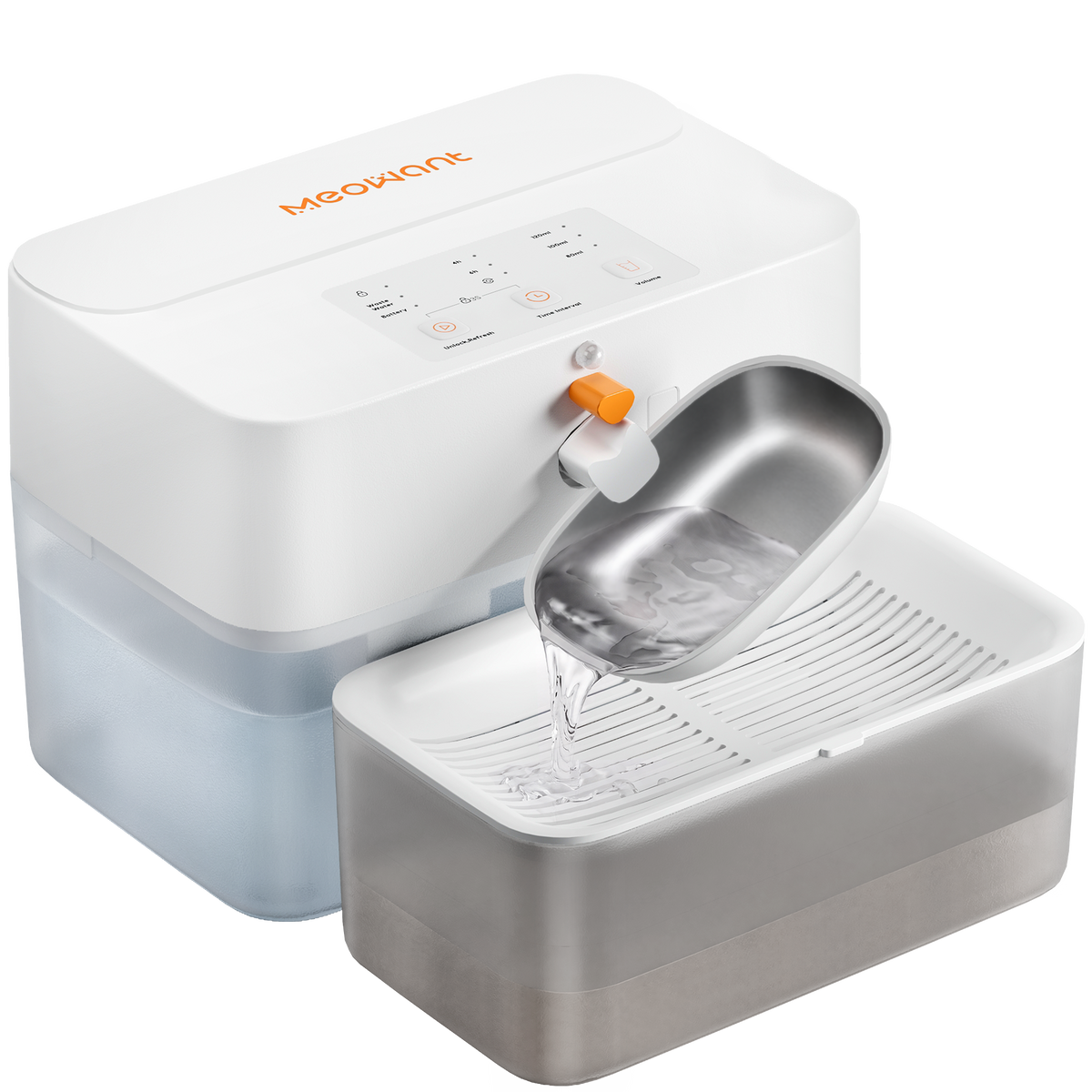
Buying a pet water fountain feels like a simple decision: pick one, fill it, plug it in. In practice, the first week is where most disappointments happen. Water splashes onto the floor, the pump hums too loudly at night, or the cat sniffs the fountain once and walks away to drink from the toilet instead. None of these are reasons to give up on the idea; they are almost always setup mistakes that are easy to correct.
This article focuses on the practical side of owning a fountain rather than the theory behind it. We will look at the errors that trip up new owners most often, why each one causes trouble, and the small adjustments that turn a neglected appliance into the water source your cat actually uses every day. Most of these fixes cost nothing but a little attention, and together they make the difference between a fountain that collects dust and one that earns its place in your home.
Mistake One: Placing It Anywhere Convenient for You
The most common error is treating the fountain like a decoration and dropping it wherever there is floor space. Cats are particular about where they drink. A fountain beside a noisy appliance, in a high-traffic hallway, or next to the food bowl often goes ignored, no matter how appealing the flowing water is. Location shapes behavior more than most owners realize.
Choose a quiet corner with some privacy and a stable floor. Keep it a short distance from the food bowl, since many cats prefer separate eating and drinking zones. If you have a multi-story home, place a fountain on each floor your cat uses most; a cat will not climb stairs just to drink, and hydration suffers when the fountain is out of sight. Even a few feet of distance from a loud appliance can change a cat’s willingness to approach.
Watch Out for Splash Zones
Fountains splash. That is part of what makes them attractive to cats, but it also means a wood floor or a carpet edge will show water damage fast. Put a waterproof mat underneath and keep the fountain away from walls and electrical outlets. A little planning here prevents a slippery floor and a shorted outlet later, both of which are far more expensive than a mat.
Also check that the surface is level. A tilted fountain runs unevenly, makes more noise, and can cause the pump to draw air, which shortens its life. A small bubble level or even a quick visual check is worth the few seconds. If the floor itself is uneven, a thin shim under one corner solves it without any fuss.
Mistake Two: Skipping the Cleaning Schedule
A fountain looks clean because the water is moving, but that is an illusion. Filters trap hair and dust, the pump picks up grit, and a thin biofilm forms on surfaces within days. Owners who skip cleaning often end up with a fountain that smells faintly of pond water and a cat that quietly stops drinking from it. The cat is not being fussy; it is responding to water that has gone stale.
The fix is a simple rhythm. Rinse the filter and bowl every few days, do a full disassembly and scrub weekly, and replace filters on the schedule the manufacturer recommends. If you want a fountain you will actually maintain, look for one with parts that come apart without tools. A unit that takes twenty minutes to strip down will be neglected; one that comes apart in two minutes will stay clean. Browsing a curated range of pet water fountain models is a good way to see which designs prioritize easy access to the pump and filter.
Why the Pump Deserves Extra Attention
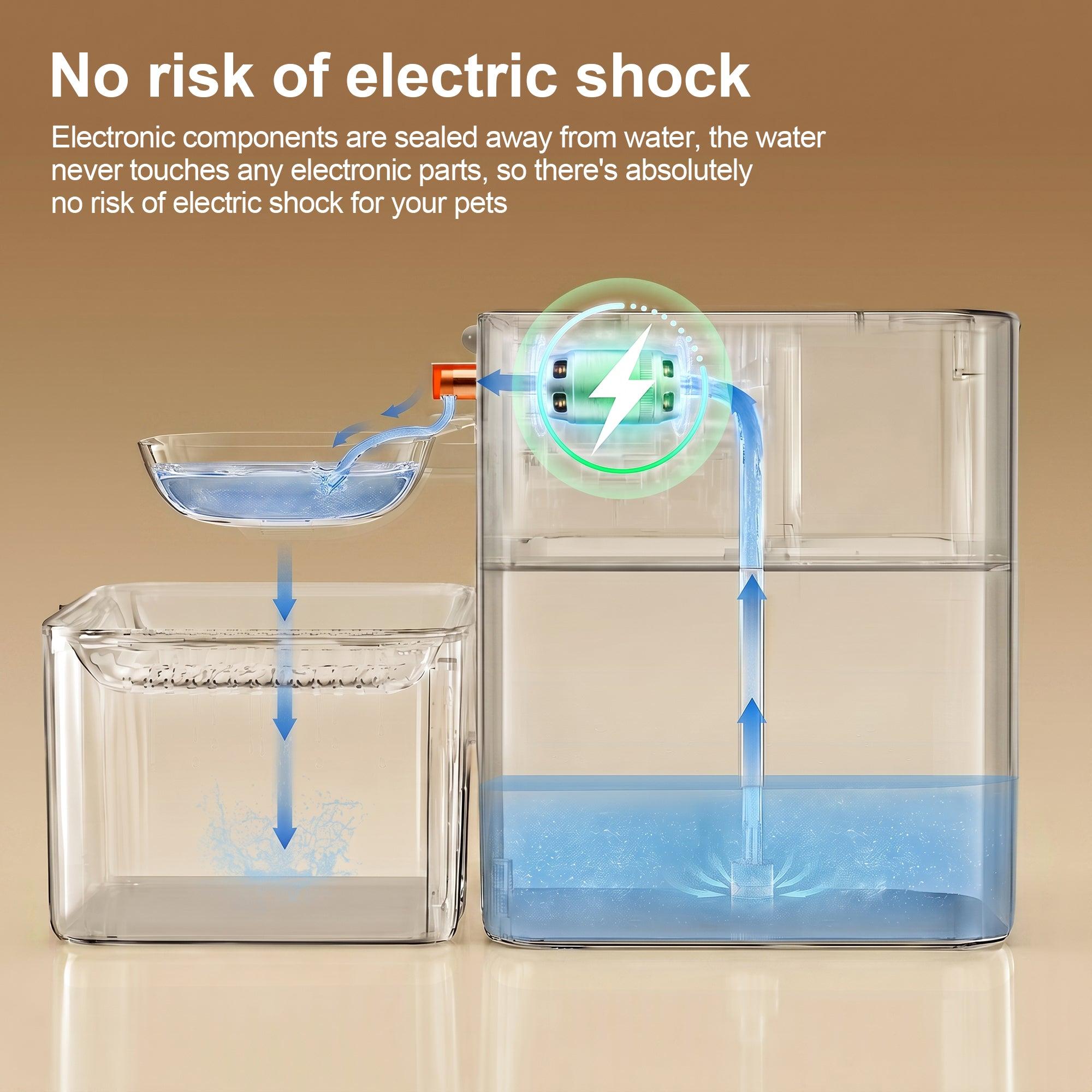
The pump is the heart of the fountain and the part most often ignored. Hair wraps around the impeller, mineral deposits build up, and the flow weakens until the fountain is barely moving water. A monthly soak in a mild vinegar solution dissolves mineral buildup and keeps the flow steady. Never run the pump dry; it relies on water for cooling and will burn out quickly without it.
If the fountain suddenly gets noisy, the pump is usually the cause. Cleaning the impeller and checking for trapped debris solves most of these complaints before they turn into a replacement. A spare pump kept on hand is cheap insurance, since pump wear is the most common reason a perfectly good fountain gets retired early.
Mistake Three: Forcing the Introduction
Cats are cautious by nature, and a new fountain with a pump, a splash, and a strange hum can be alarming. Owners who plug it in and expect instant enthusiasm are often disappointed. The cat may avoid it for days, and a rushed introduction can turn a temporary hesitation into a lasting aversion. Patience here pays off more than any feature on the box.
Let Curiosity Do the Work
Start with the fountain running on its quietest setting and place it near the cat’s old water bowl. Let the cat investigate at its own pace. Some owners run it intermittently at first, turning it off overnight, so the sound becomes familiar in short doses. Keep the old bowl available until the cat is drinking from the fountain consistently, then remove it gradually.
Never hold a cat near the fountain or push its head toward the water. That approach creates fear, not familiarity. A calm, patient introduction over several days works far better, and most cats come around once they see the water moving and realize it is safe. If a cat remains wary after two weeks, try moving the fountain to a quieter spot rather than giving up on it.
Mistake Four: The Wrong Size for Your Household
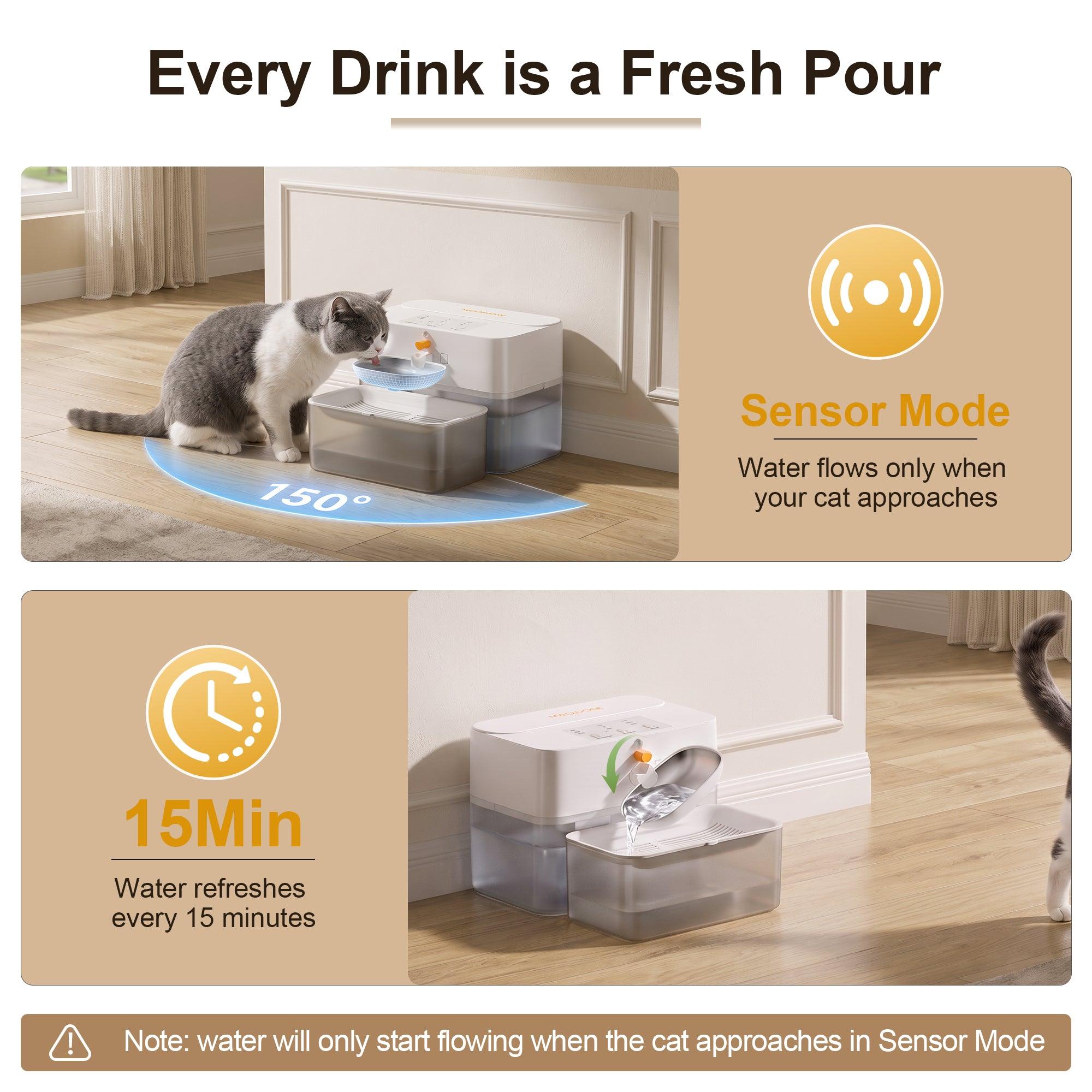
Capacity is easy to overlook. A small fountain is fine for one cat, but a multi-cat home or a cat that drinks a lot will drain it quickly, leaving the pump running low and the water stale. Match the reservoir to your household, and refill before the level drops below the pump intake. Running a fountain near-empty is one of the fastest ways to shorten its life, and a pump that keeps drawing air will fail long before its time.
Size also refers to the drinking surface, not just the reservoir. A fountain with a broad, shallow basin suits a cat that dislikes getting its whiskers wet, while a tall spout appeals to a cat that likes to drink from a stream. If you have more than one cat, consider whether a single fountain creates a bottleneck, since some cats will avoid a shared water source if a more dominant cat guards it.
Mistake Five: Ignoring What Your Cat Is Telling You
The final mistake is ignoring what your cat is telling you. If your cat stops using the fountain, check the filter, the water level, and the pump flow before assuming the cat has simply lost interest. A weak stream or a faint smell is a signal to clean, not a reason to replace the fountain. Brands like Meowant design their units with clear water-level visibility and accessible parts for exactly this reason, so problems are easy to spot and fix.
Watch for warning signs of dehydration as well: dry gums, reduced urine, and lethargy. A fountain supports hydration, but it is not a substitute for veterinary care when something seems off. A cat that drinks far more than usual, or far less, is worth a conversation with your vet, and the fountain is simply one part of a broader approach to your cat’s health.
Think about water temperature too. On hot days, a fountain in a sunny spot warms up faster than you might expect, and cats often reject warm water. Moving it to a shaded area or adding a few ice cubes to the reservoir keeps it appealing. Small seasonal adjustments like this keep a cat engaged with the fountain year-round.
Small Adjustments, Big Difference
Most pet water fountain problems are setup problems. The right location, a realistic cleaning rhythm, a patient introduction, a well-sized reservoir, and attention to your cat’s behavior solve nearly every issue new owners face. None of these require special skill, just a bit of planning and consistency.
Get those basics right, and the fountain becomes what it was meant to be: a quiet, reliable source of fresh water that encourages your cat to drink more throughout the day. Get them wrong, and even a premium fountain sits unused. Start with the five fixes above, and you give your fountain and your cat the best chance to succeed.
