

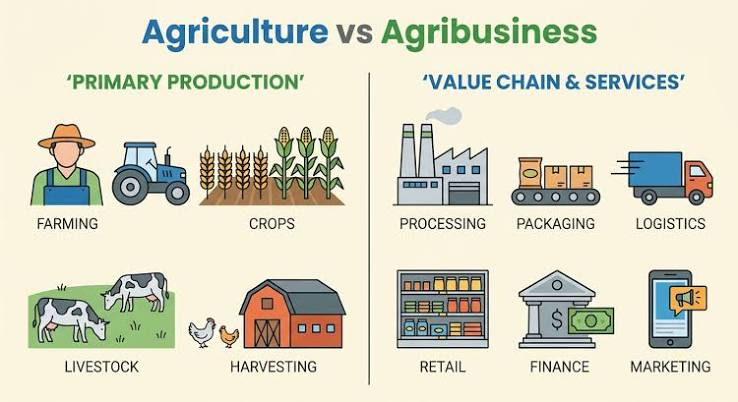
American agricultural producers are operating under conditions that have grown considerably more complex over the past decade. Input costs have climbed, land values have shifted dramatically across regions, commodity markets remain unpredictable, and regulatory requirements—particularly around water use, land classification, and environmental compliance—have expanded in scope. At the same time, farm operations are expected to run more efficiently, document more thoroughly, and plan further into the future than previous generations typically had to.
In this environment, many producers are turning to outside expertise not because they lack agricultural knowledge, but because the business dimensions of farming have grown beyond what any single operator can reasonably manage alone. Understanding land transactions, financial structure, conservation programs, and long-term succession planning simultaneously requires a level of cross-disciplinary knowledge that is genuinely difficult to maintain in-house. That is where structured professional guidance becomes practical rather than optional.
This article explains what agribusiness consulting actually involves at an operational level, how it applies across different types of farm and ranch enterprises, and why the timing and structure of that guidance can significantly affect both short-term decisions and long-term outcomes.
What Agribusiness Consulting Actually Covers
Agribusiness consulting is a professional service category that addresses the business, financial, and operational dimensions of agricultural enterprises. It is distinct from agronomic advice, which focuses on crop and soil science, and from equipment or supply services. A consultant working in this space typically analyzes the economic structure of an operation, evaluates land use and ownership arrangements, supports access to government programs, and helps producers make decisions that affect the long-term viability of their business.
For producers exploring this type of support in a structured way, reviewing a comprehensive Agribusiness Consulting guide can clarify the specific service areas involved and help identify where professional input applies to their particular operation. The scope of engagement varies considerably depending on the size of the enterprise, the complexity of land arrangements, and the stage of business development the producer is in.
At its core, agribusiness consulting serves producers who need structured help thinking through decisions that carry significant financial or operational consequences. This includes everything from land acquisition and lease negotiations to financial planning, cost structure analysis, and participation in programs administered through the USDA or state agricultural agencies.
The Distinction Between Farm Management and Consulting
Many producers use the terms farm management and consulting interchangeably, but they describe different types of relationships. A farm manager typically takes on an ongoing operational role—overseeing day-to-day decisions, coordinating labor, managing inputs, and sometimes handling marketing. A consultant, by contrast, is engaged for defined purposes and deliverables. They analyze, advise, and recommend without assuming direct operational responsibility.
This distinction matters because it affects how a producer should think about accountability and decision authority. Consulting relationships work best when the producer retains final decision-making control and uses the consultant’s analysis to inform, not replace, their own judgment. The value is in the outside perspective, the technical knowledge the consultant brings, and the time it frees up for the producer to focus on the aspects of the operation that require their direct involvement.
Who Typically Engages These Services
The range of producers who work with agribusiness consultants is broader than many assume. Family operations planning for the next generation use consultants to structure ownership transitions and evaluate whether the business can support multiple family members long-term. Investors acquiring farmland use them to assess productivity, lease structures, and program eligibility before committing capital. Beginning farmers use them to understand cash flow requirements and identify assistance programs they may not know exist. Established operations use them when facing a significant decision—purchasing additional acreage, restructuring debt, or responding to a shift in commodity prices that affects their marketing strategy.
The common thread is not the size of the operation but the complexity of the decision at hand. When the financial or operational stakes of a choice are high enough that an error would be difficult to recover from, structured outside expertise reduces risk in a way that is generally proportionate to the cost of engaging it.
Land Strategy and the Role of Consulting in Property Decisions
Land is the foundational asset in most agricultural operations, and decisions about how it is owned, leased, or transferred have consequences that extend well beyond the transaction itself. The structure of a land arrangement affects cash flow, tax exposure, eligibility for federal programs, and the flexibility the producer has to respond to changing conditions over time.
Agribusiness consultants who work in this area help producers evaluate land from a business perspective rather than purely from an emotional or agronomic one. That means analyzing soil productivity relative to purchase price, understanding what a fair cash rent or crop share lease looks like given current conditions in a specific county or region, and identifying whether conservation easements or other encumbrances would limit future use or enhance the financial position of the current owner.
Lease Structures and Their Long-Term Implications
The terms of a farmland lease can substantially affect the financial performance of both the operator and the landowner over the life of the agreement. Cash rent leases provide predictability for landowners but can become misaligned with actual production economics when commodity prices or input costs shift significantly. Crop share arrangements share risk between both parties but require more coordination and create accounting complexity that some operators prefer to avoid.
A consultant working through a lease negotiation will typically evaluate what comparable rents look like in the area, what production history on the ground supports, and whether the proposed terms are sustainable given the operator’s cost structure. The goal is not simply to negotiate the lowest rent possible but to reach terms that work financially for both parties across multiple seasons, because lease stability matters operationally.
Conservation Programs and Land Enrollment
The USDA administers several programs—including the Conservation Reserve Program and the Agricultural Conservation Easement Program—that can provide income to landowners or operators in exchange for land use commitments. These programs have specific eligibility requirements, application windows, and contractual obligations that affect how the land can be used during the enrollment period. According to the USDA Farm Service Agency, millions of acres are currently enrolled in conservation programs across the United States, reflecting the scale of participation and the importance of understanding program mechanics before enrolling.
An agribusiness consultant familiar with these programs can help producers determine whether enrollment makes financial sense, what the opportunity cost of taking land out of production would be, and how enrollment affects future lease arrangements or land sales. This analysis requires understanding both the program rules and the economics of the specific operation, which is why general information alone is often insufficient for making a sound decision.
Financial Structure and Operational Planning
Beyond land, the financial architecture of an agricultural business determines how resilient it is when conditions change. This includes the mix of owned and leased assets, the structure of debt obligations, the timing of input purchases and grain sales, and whether the operation is organized in a way that makes sense from a tax and liability perspective.
Agribusiness consulting in this area tends to focus on sustainability rather than optimization for a single year. A consultant looking at financial structure is asking whether this operation can continue to function if commodity prices fall, if a major piece of equipment fails, or if a bad weather year reduces yield significantly. These are the pressures that expose weaknesses in financial planning that may not be visible during strong market years.
Succession Planning as a Business Problem
One of the most significant and frequently delayed decisions in family agriculture is succession—the transfer of the business, the land, and the operational responsibilities from one generation to the next. This process involves legal, tax, financial, and interpersonal dimensions that interact in ways that can create serious risk if not addressed deliberately and early.
Consultants who work in this area help families think through how ownership should transfer, whether the incoming generation can financially sustain the operation at current asset values, and how to structure the transition in a way that is fair without creating cash flow problems for the business. These conversations require honesty about what the operation is worth, what the next generation can realistically afford, and what the retiring generation needs to fund their own financial security after stepping back.
Marketing Strategy and Revenue Consistency
Grain and livestock marketing is often treated as a separate discipline, but it connects directly to the financial planning function that agribusiness consulting supports. The timing and pricing of commodity sales affect cash flow, debt service capacity, and the ability to make capital investments in the operation. A producer who consistently sells at below-average prices because of poor marketing timing is eroding the financial base of the business, sometimes without recognizing the cumulative impact over several years.
Consultants who address marketing as part of a broader business strategy help producers understand their cost of production relative to current and projected market prices, set price targets that reflect real financial requirements rather than market speculation, and use available tools—futures, options, forward contracts—in a way that is proportionate to the scale and risk tolerance of the operation.
Growth Strategy for Agricultural Operations
Growth in agriculture takes different forms. It may mean acquiring additional land to spread fixed costs across a larger operation. It may mean adding a livestock enterprise to a crop operation to use existing infrastructure more fully. It may mean transitioning to a specialty crop or direct-marketing model that generates better margins on a smaller footprint. In each case, the decision carries capital requirements, operational complexity, and market risk that benefit from structured analysis before the producer commits.
Agribusiness consulting supports growth decisions by grounding them in financial reality. This means projecting cash flows under different scenarios, identifying what infrastructure or additional labor the expansion would require, and assessing whether the operation has the management capacity to execute the change without compromising what is already working. Growth that strains management capacity or cash reserves can be more damaging than no growth at all, particularly in years when external conditions are already difficult.
Evaluating Diversification Realistically
Diversification is frequently cited as a risk management strategy in agriculture, but it is not without its own risks. Adding a new enterprise requires knowledge, equipment, markets, and time that may not be available in the current operation. A consultant evaluating a diversification proposal will look at whether the new enterprise complements the existing one in terms of labor timing and equipment use, whether there is a realistic market at prices that make the enterprise financially viable, and whether the producer has the experience or access to the expertise needed to manage it competently from the start.
Closing Thoughts on Using Consulting Effectively
Agribusiness consulting is most effective when it is engaged before a major decision rather than after one has already been made and is beginning to cause problems. The role of a consultant is to provide structured analysis and informed perspective at the point when it can still change an outcome. Once a land purchase closes, a lease is signed, or a succession plan is executed, the options narrow considerably.
Producers who use these services well tend to approach them with specific questions rather than open-ended requests. They come with financial records, a clear description of the decision they are facing, and a willingness to hear analysis that may not confirm what they were hoping to do. That posture—practical, honest, and focused on outcomes—makes the consulting relationship more productive and the resulting decisions more defensible over time.
The agricultural business environment in the United States will continue to evolve. Land values, policy programs, commodity markets, and regulatory requirements will shift in ways that are difficult to predict precisely. What producers can control is the quality of the decisions they make when those shifts create pressure or opportunity. Structured, qualified outside guidance is one of the more reliable tools available for making those decisions well.
