

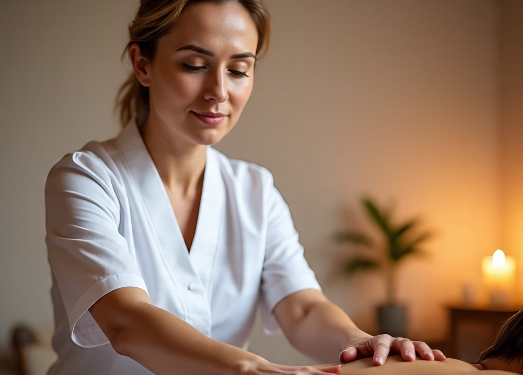
In today’s fast-paced world, our bodies often face challenges from prolonged sitting, repetitive physical activity, stress, and lack of movement. One of the critical consequences of these lifestyle factors is poor blood circulation. Inadequate blood flow can lead to fatigue, muscle stiffness, slower recovery, and even long-term health issues. 영등포출장안마 A gentle massage session provides a natural and effective way to stimulate circulation, enhance oxygen and nutrient delivery, and promote overall wellness.
Unlike intensive workouts or medical interventions, gentle massage is a low-risk, restorative method to improve blood flow. By using light to moderate pressure and deliberate techniques, trained massage therapists encourage the vascular system to work more efficiently, supporting both physical health and mental relaxation.
Understanding the Importance of Blood Flow
Blood is the lifeline of the body, delivering oxygen and nutrients to every cell while carrying away waste products. When blood circulation is impaired, muscles may feel tight, energy levels drop, and the body struggles to recover from daily stressors. Over time, poor circulation can contribute to chronic fatigue, slower healing, and increased susceptibility to illness.
Gentle massage stimulates the blood vessels, encouraging circulation to areas that are often neglected due to sedentary habits or muscle tension. By promoting the natural flow of blood, massage helps the body repair and regenerate more effectively, enhancing overall vitality and resilience.
How Gentle Massage Enhances Circulation
During a gentle massage session, the therapist uses smooth, flowing movements combined with carefully applied pressure to encourage blood movement through both superficial and deeper vessels. This technique provides multiple benefits:
- Enhanced Oxygen Delivery: Increased blood flow ensures that muscles and organs receive a steady supply of oxygen, improving function and reducing fatigue.
- Nutrient Distribution: Nutrients carried by the blood reach tissues more efficiently, supporting cellular repair and energy production.
- Waste Removal: Improved circulation helps remove toxins and metabolic waste from the body, reducing inflammation and soreness.
- Lymphatic Stimulation: Gentle massage also aids lymph flow, supporting immune function and further promoting detoxification.
The combination of these effects creates an environment where the body can function optimally, recover faster, and maintain overall wellness.
Techniques Used in Gentle Massage for Circulation
Skilled massage therapists employ a variety of techniques to stimulate blood flow without overstraining the muscles. Some common methods include:
- Effleurage: Long, gliding strokes that warm up muscles, enhance circulation, and prepare the body for deeper work.
- Petrissage: Gentle kneading of the muscles helps release tension and encourages blood to flow into tight areas.
- Light Compression: Pressing and releasing soft tissue improves venous return and supports vascular health.
- Circular Motions: Applied to joints and major muscle groups, these motions stimulate circulation and encourage nutrient delivery.
Each technique is carefully adjusted to the client’s comfort level, ensuring that the session remains gentle while providing maximum circulatory benefits.
Physical Benefits of Improved Blood Flow
Improving blood flow through gentle massage has far-reaching effects on physical health. These benefits include:
- Reduced Muscle Tension: Better circulation helps muscles relax, reducing stiffness and discomfort.
- Faster Recovery: Enhanced nutrient delivery and waste removal accelerate healing after exercise or physical exertion.
- Pain Relief: Gentle massage can alleviate minor aches and chronic discomfort caused by poor circulation or muscle tension.
- Energy Boost: Improved oxygen and nutrient delivery to cells increases overall vitality and reduces feelings of fatigue.
These benefits combine to support a healthier, more active lifestyle, allowing the body to perform at its best.
Mental and Emotional Benefits
Massage is not only beneficial for the body; it also has a profound effect on mental health. When blood flow improves, the brain receives more oxygen and nutrients, which can enhance cognitive function and mental clarity.
The calming environment of a massage session—soft music, comfortable surroundings, and the focused touch of a skilled therapist—also encourages the nervous system to shift into a relaxed state. Stress and anxiety are reduced, and the mind becomes clearer and more focused. This synergy of physical and mental benefits makes gentle massage an ideal tool for overall wellness.
Supporting Cardiovascular Health
Regular gentle massage sessions contribute to long-term cardiovascular health. By promoting consistent blood flow and reducing vascular resistance, massage can help maintain healthy blood pressure and improve heart function. While massage is not a replacement for medical care, it complements a heart-healthy lifestyle by supporting vascular efficiency and reducing stress, which is a major contributor to cardiovascular issues.
Enhancing Mobility and Flexibility
Poor circulation often leads to stiff muscles and limited joint mobility. Gentle massage addresses this by loosening muscle fibers and encouraging fluid movement throughout the body. Over time, improved blood flow combined with muscle relaxation supports greater flexibility, better posture, and easier movement in daily activities.
For those who experience sedentary work or physical strain, these benefits can significantly improve overall quality of life. Muscles feel lighter, joints move more freely, and the body feels more energized.
Creating a Holistic Wellness Routine
To fully benefit from gentle massage, it is most effective when integrated into a comprehensive wellness routine. Regular sessions, combined with proper hydration, stretching, and light exercise, support sustained circulation and muscle health.
Consistency is key. Even monthly sessions can have a meaningful impact on blood flow, while weekly treatments provide cumulative benefits, maintaining vascular efficiency and promoting long-term physical and mental wellbeing.
Personalized Approach for Maximum Effectiveness
Every individual’s body responds differently to massage, depending on activity levels, muscle condition, and stress. Skilled massage therapists assess these factors and design sessions to meet each client’s unique needs. Areas of reduced circulation or tension are targeted, while pressure and technique are customized to ensure comfort and safety.
Personalized massage care ensures that blood flow is effectively stimulated, muscles are gently relaxed, and the body achieves optimal results from each session.
Long-Term Benefits
The benefits of gentle massage extend well beyond the treatment room. With consistent sessions, individuals can expect:
- Improved circulation and vascular health
- Reduced chronic muscle tension and stiffness
- Faster recovery from physical activity or minor injuries
- Increased energy levels and vitality
- Enhanced mental clarity and reduced stress
These long-term advantages make gentle massage a valuable tool for maintaining a healthy, balanced lifestyle.
Conclusion
Gentle massage is a powerful method to improve blood flow and support overall wellness. By stimulating circulation, loosening muscles, and promoting relaxation, professional massage therapy enhances physical recovery, reduces tension, and contributes to mental clarity.
Regular gentle massage sessions allow the body to function optimally, delivering oxygen and nutrients efficiently while removing waste products. Over time, this approach supports cardiovascular health, reduces fatigue, and encourages greater mobility and flexibility.
Incorporating skilled gentle massage into a wellness routine is more than a luxury—it is an investment in long-term health. By improving blood flow and promoting relaxation, massage therapy helps individuals feel more energized, balanced, and capable of navigating the demands of daily life with ease.
