

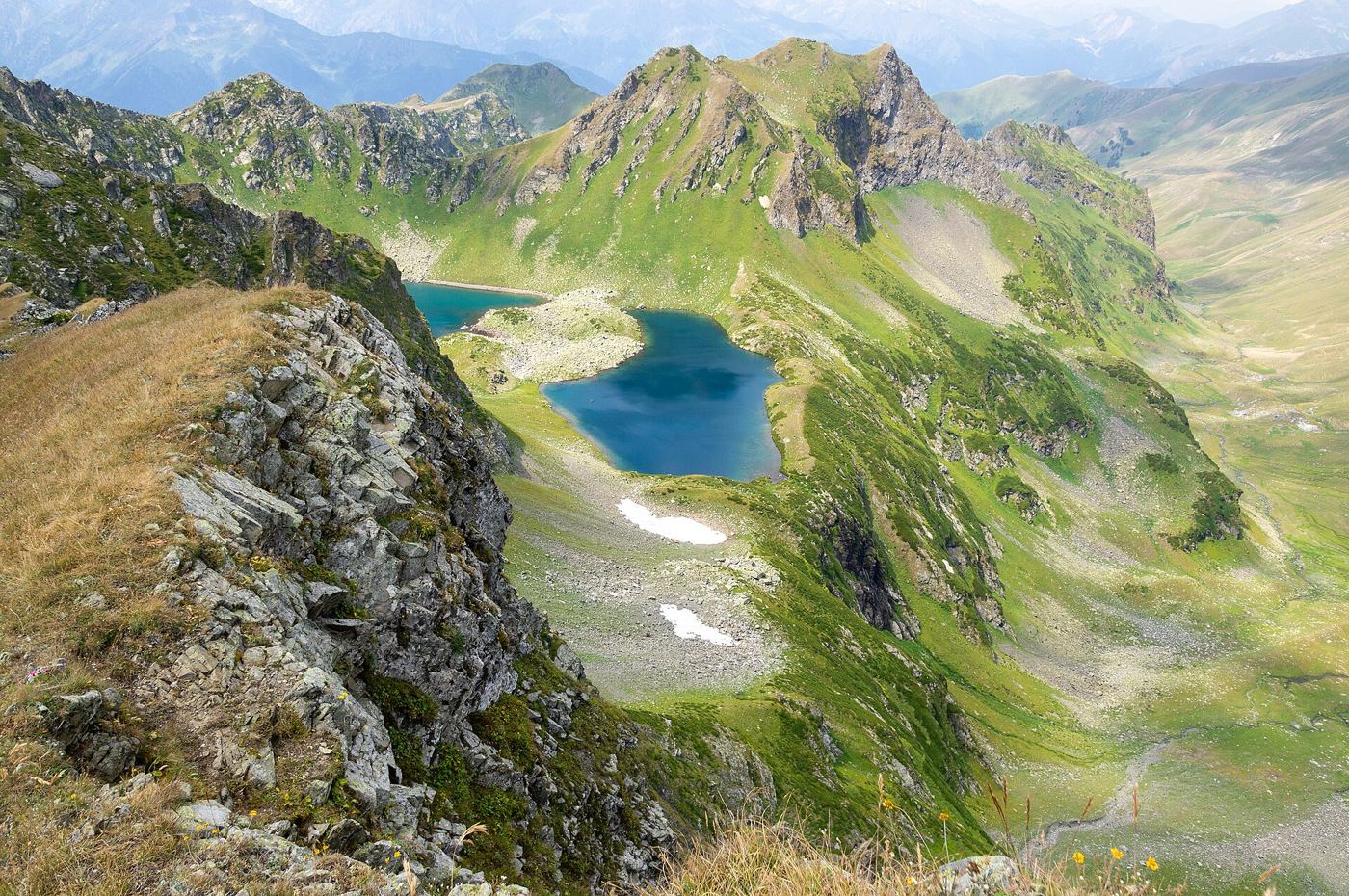
Mountain lakes famous for their clarity are slowly changing colour, as long-term monitoring shows many shifting from deep blue toward green. The cause is growth: warmer water, longer ice-free seasons and nutrients arriving from surrounding slopes are allowing microscopic algae to flourish in lakes that were once too cold and nutrient-poor to support much life. Researchers who sample remote lakes by foot and helicopter have documented the trend across several ranges, supported by satellite images that track colour changes over decades. The transformation is subtle year to year, which is precisely why consistent monitoring matters; without records stretching back through colder decades, today’s greener water might be mistaken for a natural state. Lake sediments preserve an even longer archive, with layers of pigment and microscopic shells recording past blooms. Together, the evidence shows alpine ecosystems responding to warming in ways that are visible from space yet rooted in the basic chemistry and biology of each individual basin, its depth, and the soils and rock around it.
What the Evidence Shows
Greener lakes are not simply a cosmetic change, because algal growth reshapes the whole food web beneath the surface. Zooplankton that graze on algae multiply, fish find different feeding conditions, and oxygen levels at depth can fall when abundant algae die and decay. Some high lakes also receive more dissolved material as glaciers retreat and exposed ground weathers, adding nutrients and minerals that reinforce the biological shift. Managers responsible for protected mountain areas are weighing how to respond, since the drivers are largely regional and global rather than local pollution that can be switched off. Protecting shorelines from trampling and keeping additional nutrients from trails, huts and livestock out of the water remain worthwhile, even if they cannot reverse the warming trend alone. Scientists argue the lakes’ greatest value may be as sentinels: isolated from many direct human pressures, they register environmental change early and clearly. Watching them closely offers a preview of changes that busier, lower ecosystems will experience in more complicated forms. Reporting and analysis from sources such as National Science Foundation track the same developments, and specialists following alpine lakes turning greener under changing conditions say the direction is now consistent across independent lines of evidence.
The Wider Context
The wider context is a research landscape in which replication and open data now decide reputations. Findings connected to alpine lakes turning greener under changing conditions are being checked by independent groups with shared datasets, and the teams involved publish their methods in full so rivals can test every step. That discipline is slower than a headline cycle, but it is why results in this area increasingly survive first contact with scrutiny.
What Happens Next
What happens next in the story of alpine lakes turning greener under changing conditions will be decided by follow-up work already under way: larger samples, longer observation and instruments that have not yet come online. The researchers involved are unusually united on one point, that the current results justify the next investment of time and money. Readers will not have to wait long for the first tests of that claim. You can follow related developments in our coverage of science.
There is a practical lesson in all of this for readers deciding what to do today. Start with the verified facts, be wary of anyone promising certainty, and prefer reversible steps while the evidence is still developing. Circumstances differ by country, income and personal situation, so general guidance should always be weighed against your own context before you act on it in any significant or lasting way.
