

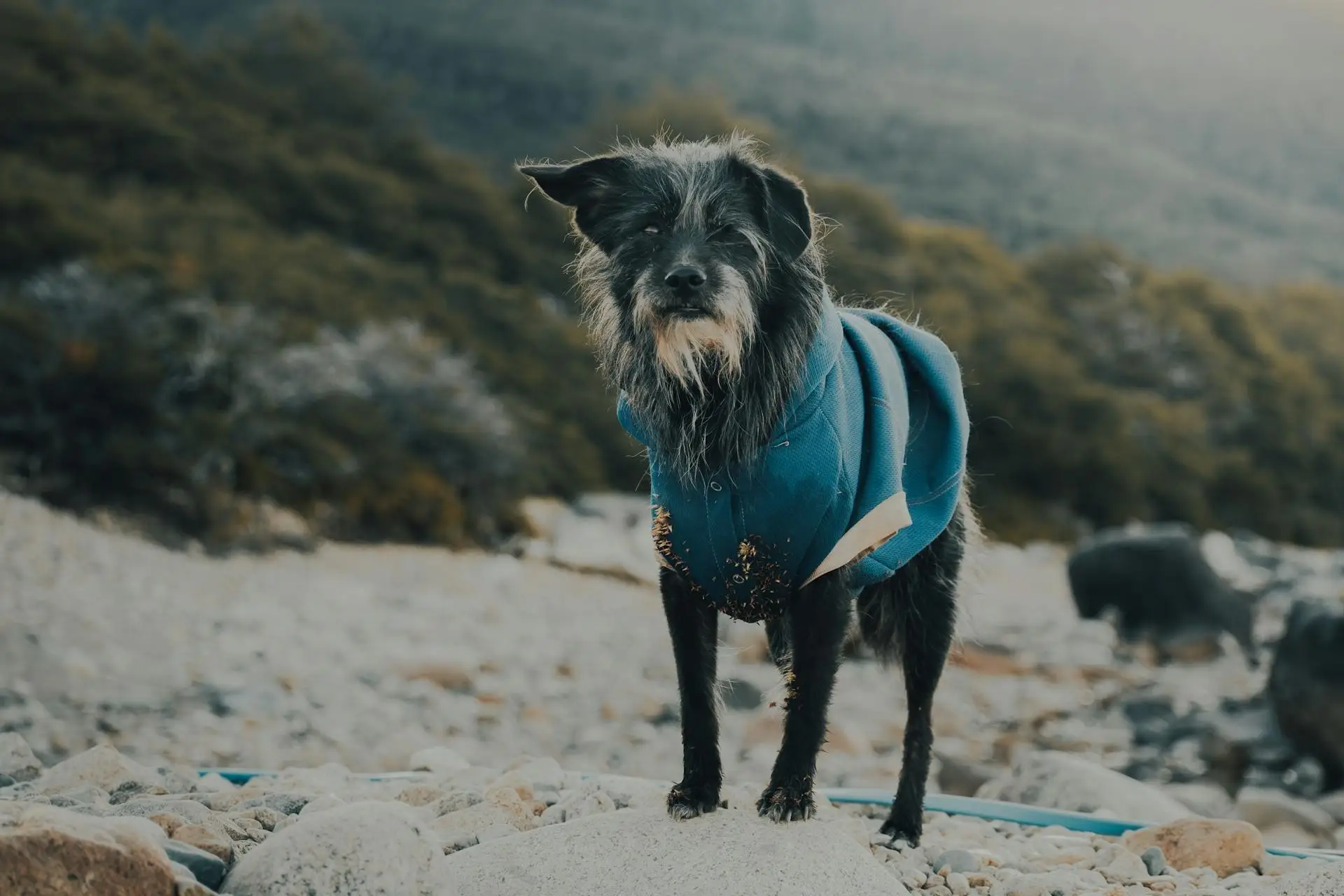
Each season creates different challenges for dog owners. Cold mornings, heavy rain, warm afternoons, and changing outdoor conditions can all affect how comfortable a dog feels.
Seasonal preparation does not necessarily mean buying a large collection of products. Instead, owners can focus on understanding their dog’s individual needs and choosing practical items that support comfort throughout the year.
Understanding Your Dog’s Needs
Every dog responds differently to environmental conditions. Breed, coat type, age, activity level, and individual tolerance can influence how a dog reacts to cold, heat, and wet weather.
Owners should observe their dogs during outdoor activities and look for signs of discomfort. Adjusting routines according to weather conditions can often be more important than simply adding accessories.
Creating a Comfortable Resting Area
Dogs spend many hours sleeping and relaxing, so a comfortable resting space is important throughout the year.
Large breeds often need considerably more room than smaller dogs. extra large dog beds can provide additional sleeping space for dogs that need room to stretch out.
When selecting a bed, consider the dog’s sleeping position. Some dogs prefer curling up, while others regularly sleep on their sides with their legs extended.
The bed should be placed in a location where the dog can rest without being constantly disturbed.
Preparing for Rain
Rainy weather can affect daily walking routines. Some dogs enjoy wet conditions, while others prefer to stay dry.
A suitable raincoat can provide additional protection during wet walks. dog raincoats can be useful for owners who regularly take their dogs outside when it is raining.
The fit is particularly important. A raincoat should provide appropriate coverage while allowing the dog to move freely.
After a walk, owners should remove wet gear and allow it to dry properly before storing it.
Staying Comfortable in Cold Weather
Dogs have different levels of tolerance for cold. A thick-coated breed may remain comfortable in conditions that cause another dog to shiver or become reluctant to walk.
Instead of assuming that every dog needs winter clothing, pay attention to individual behavior. If additional clothing is appropriate, choose a product that fits securely without restricting movement.
Outdoor walks may also need to be shortened during particularly cold conditions.
Managing Warm Weather
Warm weather requires a different approach. Dogs can become overheated during strenuous activity, especially during very hot periods.
Owners should provide access to fresh water and shade and avoid intense exercise during the hottest parts of the day. Walking during cooler morning or evening hours can also make outdoor activities more comfortable.
Dogs should never be left unattended in enclosed vehicles, even when temperatures outside do not initially seem extreme.
Seasonal Comfort at Home
Indoor comfort matters as much as outdoor preparation. A suitable sleeping area, fresh water, good ventilation, and a calm environment can help dogs relax regardless of the season.
The location of a dog’s bed may also need to change depending on weather. A warmer corner can be comfortable during colder months, while a cooler and better-ventilated area may be preferable during summer.
Building a Simple Seasonal Routine
Keeping a dog comfortable throughout the year is mainly about paying attention to changing conditions. Clothing, beds, and outdoor accessories can support that goal, but they should complement sensible routines rather than replace them.
By observing a dog’s behavior and adjusting its environment according to the season, owners can create a comfortable routine that works throughout the year.
