

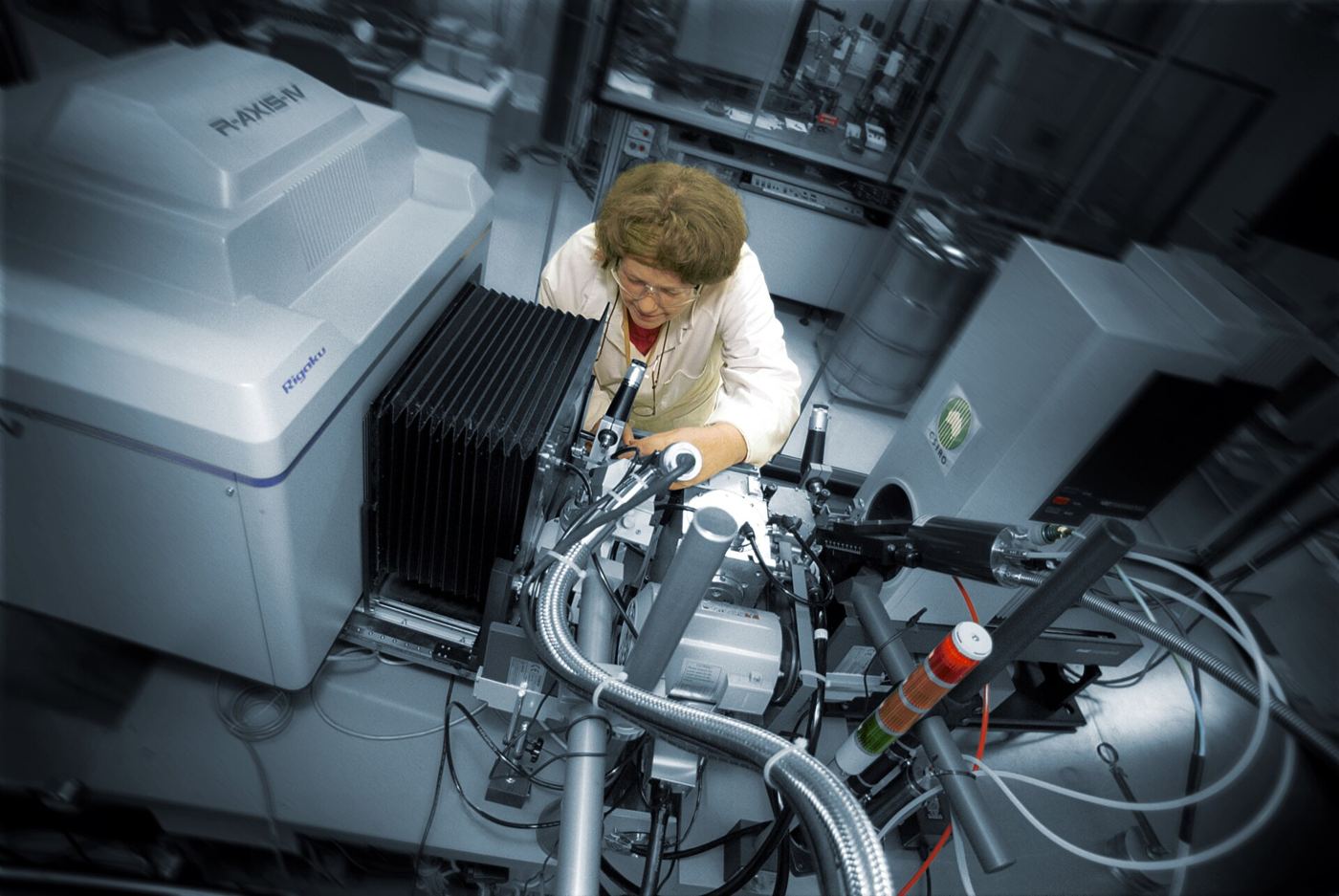
Scientists have explained how a protein linked to a rare inherited disease moves amino acids across cell membranes using two different mechanisms, according to a study published in Nature Communications and reported on 26 November 2026. The team, led by researchers from IRB Barcelona, IBMB-CSIC and the University of Barcelona, studied the transporter y+LAT1/CD98hc, which is linked to lysinuric protein intolerance, a disorder caused by mutations in the gene SLC7A7. The discovery resolves a question that had remained open for decades about how this transporter works. The disorder, lysinuric protein intolerance, is inherited and affects how the body handles amino acids from food.
What the Evidence Shows
The key finding is that sodium helps the transporter move amino acids such as glutamine and leucine, while others, such as arginine, can be transported without sodium. Sodium and the positive charge of arginine can occupy the same region of the protein and perform the same function, which explains the two mechanisms. Understanding the transporter matters for patients with lysinuric protein intolerance, because the disease disrupts how the body handles amino acids. The work also shows how detailed structural biology can solve long-standing puzzles about the proteins that keep cells supplied. The experiments were carried out with colleagues at the Bellvitge Biomedical Research Institute, known as IDIBELL. Reporting and analysis from sources such as Nature track the same developments, and specialists following the y+LAT1 transporter discovery say the direction is now consistent across independent lines of evidence.
The Wider Context
The wider context is a research landscape in which replication and open data now decide reputations. Findings connected to the y+LAT1 transporter discovery are being checked by independent groups with shared datasets, and the teams involved publish their methods in full so rivals can test every step. That discipline is slower than a headline cycle, but it is why results in this area increasingly survive first contact with scrutiny.
What Happens Next
What happens next in the story of the y+LAT1 transporter discovery will be decided by follow-up work already under way: larger samples, longer observation and instruments that have not yet come online. The researchers involved are unusually united on one point, that the current results justify the next investment of time and money. Readers will not have to wait long for the first tests of that claim. You can follow related developments in our coverage of science.
None of this will be settled by a single announcement, study or product launch. The pattern to watch is accumulation: independent confirmations, honest reporting of failures and steady improvement in the underlying numbers. Readers who follow those signals, rather than the loudest claim of the week, will understand this subject better than most of the commentary surrounding it suggests is possible.
There is a practical lesson in all of this for readers deciding what to do today. Start with the verified facts, be wary of anyone promising certainty, and prefer reversible steps while the evidence is still developing. Circumstances differ by country, income and personal situation, so general guidance should always be weighed against your own context before you act on it in any significant or lasting way.
