

Most carpet disputes begin long before the fitters arrive. They start with a rough measurement, a vague quotation and two people who think the price includes different things. If you are searching for Carpet flooring near me because a renovation is coming up, learning how measuring and quoting actually work will save money and frustration. Carpet is sold by area, but rooms are rarely perfect rectangles, and the way a roll or tile layout is planned can change the quantity you need by a surprising amount. This guide walks through the process step by step.
How professional measuring works
A professional measurer records the longest and widest points of every room, then adds alcoves, bay windows, wardrobes and doorways separately. Stairs need individual counts for treads and risers, plus a note of winders and landings. The direction of the pile matters too, because carpet should run the same way across adjoining spaces for a consistent look, and that can require more material than the raw floor area suggests. Expect the measurer to check subfloor condition, door clearance and transitions to hard flooring, since each detail affects accessories and labour.
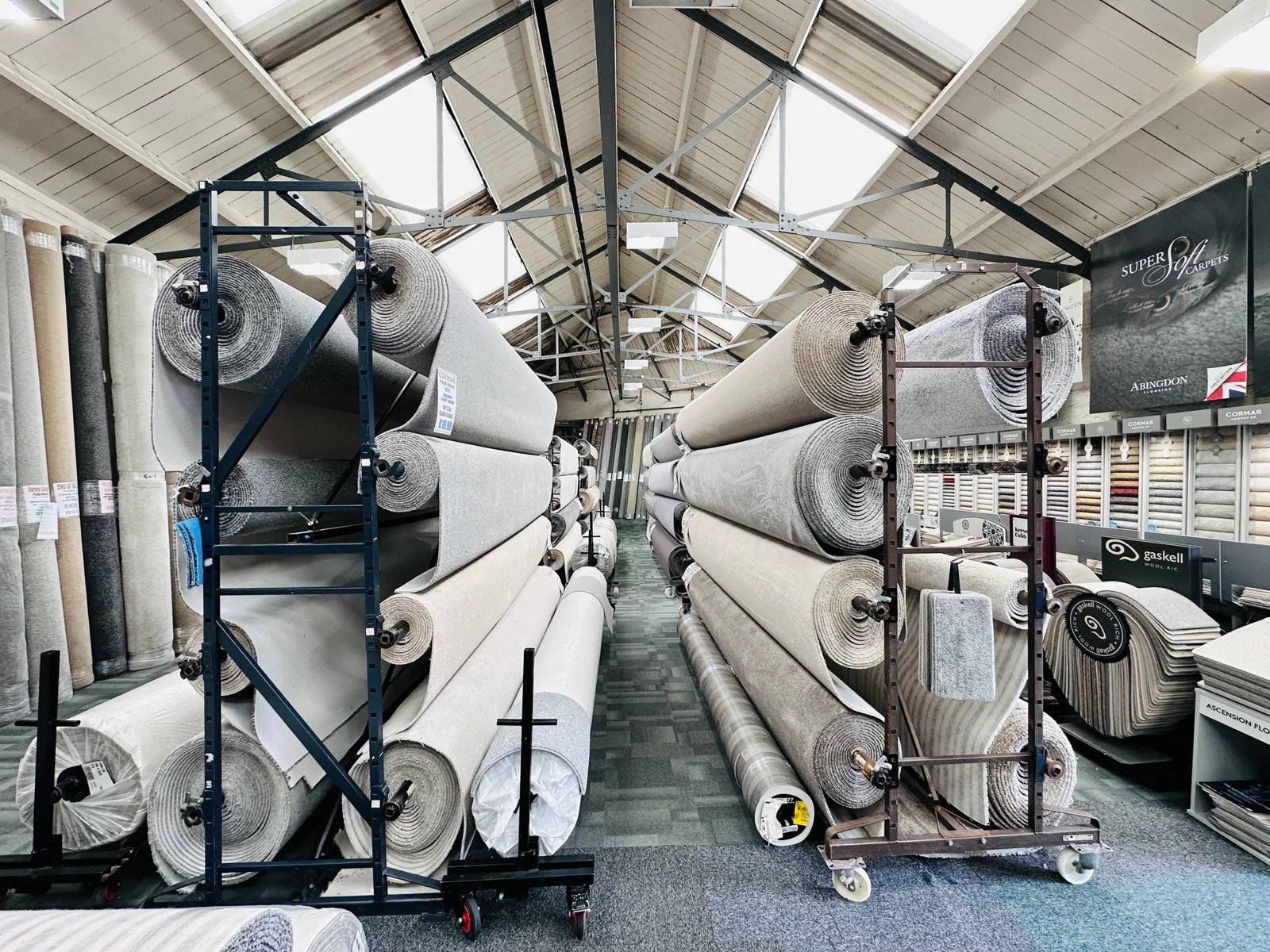
Roll width is the hidden variable in many quotes. Carpets commonly come in set widths, so a room slightly wider than one width needs a join, and the offcut from one room may or may not fit another. A good estimator draws a cutting plan that minimises waste while keeping seams away from doorways and main walkways. If two quotes for the same carpet differ in quantity, ask each supplier to explain their plan. The lower quantity is not automatically better; an unrealistically tight estimate can lead to extra charges or visible joins later.
What a complete quote should itemise
A fair quotation separates the carpet itself from everything around it: underlay, gripper rods, door bars, adhesive, delivery, installation labour, uplift and disposal of the old flooring, and any subfloor preparation. Seeing those lines individually lets you compare suppliers honestly. One company may appear cheaper because it excluded underlay replacement, while another included a better underlay that will extend the carpet's life. Ask whether stairs carry a per-step fitting charge, whether moving furniture is included, and whether out-of-hours work changes the labour rate for offices or retail spaces.
Payment terms belong in the same conversation. Deposits are normal for made-to-order or cut material, but the quote should state the amount, when the balance is due and what happens if fitting is delayed by either side. When comparing results for Carpet flooring near me, keep a simple table of what each price includes rather than comparing headline totals. A slightly higher quote that covers disposal, door trimming and a workmanship guarantee can easily be the cheaper option once the hidden extras of a bare quote are added back in.
Measuring it yourself for a first estimate
You can still measure roughly before inviting suppliers round, and doing so helps you sanity-check their figures. Measure each room in metres at its longest and widest points, multiply the two numbers for a starting area, then add around ten percent for cutting and waste. Sketch the rooms on paper, mark doorways and note which spaces connect, because a continuous carpet through a hall and lounge is planned differently from separate rooms. Photograph corners, stairs and problem areas such as cracked tiles or uneven boards so suppliers can flag preparation work early.
Be honest about what your own numbers are: a budgeting estimate, not a cutting plan. Never order carpet solely from your measurements without professional confirmation unless you are experienced, because a shortfall of even twenty centimetres in one direction can force an extra join or a complete reorder. Equally, if a supplier's quantity is far above your estimate, ask them to walk you through the cutting plan rather than assuming an error. Roll widths and pile direction explain most differences, and a transparent supplier will show the working without hesitation.
Red flags in quotations
Treat a single-line total with no product name, no quantity and no list of inclusions as a warning sign. So is a price that depends on deciding today, a refusal to confirm the quote in writing, or a fitting date promised before anyone has measured. Watch for underlay described only as standard without a thickness or density, because that is where quality is quietly reduced. Finally, check whether the quote assumes you will dispose of the old carpet yourself; uplift and disposal of a full house of flooring is heavier and more time-consuming than most people expect.
Accurate measuring and itemised quoting protect both sides. You get a price you can trust, and the supplier gets a plan they can install without surprises. Take your own rough measurements for budgeting, then insist on a professional measure, a named product, a cutting plan you can question and a written breakdown of every accessory and service. Do that, and the figure at the bottom of the page will be the figure you actually pay, which is the simplest definition of a fair carpet quote.
