

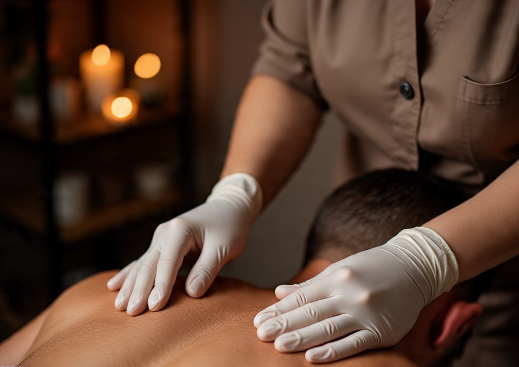
In today’s active lifestyle, muscle soreness has become a common complaint for people of all ages. Whether it’s due to intense workouts, long hours of physical labor, repetitive movements, or even prolonged sitting, muscles can become stiff, tight, and uncomfortable. Persistent muscle soreness not only reduces mobility but also affects overall energy and mental well-being. One of the most effective ways to address these issues is through targeted massage therapy. Unlike general relaxation massage, targeted massage focuses on specific areas of the body that are prone to tension, providing precise relief and promoting faster recovery.
Targeted massage therapy combines specialized techniques, deep knowledge of anatomy, and expert touch to alleviate muscle discomfort. 부천 출장 가격 It goes beyond temporary relief by addressing the root causes of soreness, improving circulation, and enhancing muscular function. Individuals who incorporate targeted massage into their wellness routine often report faster recovery, better flexibility, and reduced chances of future injury.
Understanding Muscle Soreness
Muscle soreness is the body’s natural response to physical strain, injury, or overuse. Two common types are:
- Acute Muscle Soreness: Occurs during or immediately after activity and usually resolves quickly.
- Delayed Onset Muscle Soreness (DOMS): Appears 24 to 72 hours after intense or unfamiliar exercise, causing stiffness, tenderness, and reduced range of motion.
Both types of soreness result from microtears in muscle fibers, inflammation, and the buildup of metabolic byproducts such as lactic acid. While rest and hydration are helpful, targeted massage therapy actively supports recovery by loosening tight muscles, enhancing circulation, and promoting healing at the cellular level.
How Targeted Massage Therapy Works
Targeted massage therapy is designed to address specific problem areas, whether caused by exercise, injury, or stress-related tension. Skilled therapists assess the body to identify areas of tightness, trigger points, and restricted movement. Once identified, precise techniques are applied to relieve discomfort and restore proper muscular function.
The main mechanisms of targeted massage therapy include:
- Muscle Relaxation: Focused pressure and manipulation loosen tight muscle fibers and fascia, relieving stiffness.
- Improved Blood Flow: Enhanced circulation delivers oxygen and nutrients to muscles while removing metabolic waste, accelerating recovery.
- Trigger Point Release: Pressure applied to knots or “trigger points” releases tension and reduces referred pain.
- Range of Motion Enhancement: Stretching and mobilization restore flexibility and improve joint movement.
By combining these techniques, targeted massage therapy not only alleviates soreness but also promotes long-term muscle health and resilience.
Common Areas for Targeted Massage
While muscle soreness can affect many parts of the body, some areas are particularly prone to discomfort due to everyday activity, posture, or exercise routines.
- Neck and Shoulders: Prolonged sitting, computer work, and stress can create stiffness and tension.
- Lower Back: Activities such as lifting, prolonged sitting, or physical labor often strain the lumbar muscles.
- Legs and Calves: High-impact exercise, running, and standing for long periods can lead to soreness in the quadriceps, hamstrings, and calves.
- Arms and Forearms: Repetitive movements in sports or work can cause tension and muscle fatigue.
- Glutes and Hips: Tightness in these areas can affect posture, gait, and overall mobility.
Targeted massage therapy ensures that these critical areas receive specialized attention, promoting faster recovery and improved comfort.
Techniques Used in Targeted Massage Therapy
Therapists use a variety of specialized techniques depending on the location and severity of muscle soreness:
- Deep Tissue Massage: Applies firm pressure to the deeper layers of muscles and fascia to relieve chronic tension and stiffness.
- Trigger Point Therapy: Focuses on specific knots that cause localized or referred pain, releasing built-up stress in muscle fibers.
- Myofascial Release: Targets fascia, the connective tissue surrounding muscles, to restore flexibility and reduce restriction.
- Sports Massage: Combines stretching, pressure, and manipulation to address muscle fatigue and enhance recovery after physical activity.
- Cross-Fiber Techniques: Applies pressure perpendicular to muscle fibers to break adhesions and improve tissue mobility.
By tailoring the session to the individual’s needs, therapists ensure that targeted massage provides maximum relief and long-term benefits.
Benefits of Targeted Massage Therapy
Targeted massage therapy offers a wide range of benefits for individuals experiencing muscle soreness:
Faster Muscle Recovery
One of the most significant advantages is accelerated recovery. By increasing circulation, delivering oxygen to fatigued muscles, and removing waste products, targeted massage helps muscles heal more quickly after exercise or physical strain.
Reduced Pain and Stiffness
Focused manipulation of tight muscles and trigger points alleviates soreness and improves mobility. This relief is often immediate, providing comfort and making daily activities easier.
Enhanced Flexibility and Range of Motion
Targeted massage stretches muscles and fascia, restoring natural length and flexibility. Improved range of motion reduces the risk of injury and supports better performance in sports and everyday activities.
Stress Relief and Relaxation
Muscle soreness is often compounded by stress. Targeted massage relaxes the nervous system, reduces tension, and promotes a sense of well-being, which can also improve sleep and overall mental health.
Long-Term Muscular Health
Regular targeted massage helps prevent future soreness by maintaining muscle balance, addressing postural issues, and promoting healthy tissue function. Over time, this proactive approach reduces chronic tension and enhances physical performance.
Incorporating Targeted Massage Into Your Routine
For best results, targeted massage therapy should be integrated into a regular wellness routine. Frequency depends on individual activity levels, soreness severity, and personal goals, but many athletes and active individuals benefit from weekly or bi-weekly sessions.
In addition to massage therapy, complementary practices enhance recovery and reduce soreness:
- Hydration: Drinking adequate water supports muscle recovery and circulation.
- Stretching and Mobility Exercises: Regular stretching keeps muscles flexible and reduces stiffness.
- Proper Nutrition: Adequate protein and micronutrients aid tissue repair and recovery.
- Mindful Rest: Allowing muscles time to rest and recover optimizes the benefits of massage.
By combining targeted massage with these supportive practices, individuals can maximize the relief from soreness and maintain optimal muscle function.
Choosing a Skilled Therapist
The effectiveness of targeted massage depends heavily on the skill and experience of the therapist. A trained professional can identify areas of tension, select appropriate techniques, and apply pressure safely to avoid further strain. Personalized care ensures that sessions are both effective and comfortable, addressing the root cause of soreness rather than just masking pain.
The Holistic Impact
Beyond physical relief, targeted massage therapy also promotes mental and emotional well-being. The combination of focused touch, rhythmic movements, and a calming environment creates a sense of relaxation that extends to the mind. Individuals often experience reduced stress, improved mood, and enhanced mental clarity following sessions. This holistic approach reinforces the body-mind connection, ensuring that muscle recovery is not just physical but also restorative on a deeper level.
Conclusion
Muscle soreness is a common consequence of an active or stressful lifestyle, but it doesn’t have to limit mobility or comfort. Targeted massage therapy provides an effective, natural solution by addressing tight muscles, improving circulation, releasing trigger points, and restoring flexibility. By combining precise techniques with a personalized approach, therapists help individuals recover faster, reduce pain, and maintain long-term muscle health.
Incorporating targeted massage into a regular wellness routine also promotes emotional well-being, reduces stress, and supports overall resilience. Whether for post-exercise recovery, relief from chronic tension, or prevention of future discomfort, targeted massage therapy is a comprehensive approach to revitalizing muscles and restoring balance.
By investing in targeted massage, individuals can experience immediate relief from soreness, improved physical performance, and enhanced overall wellness, creating a healthier, more energized, and balanced lifestyle.
