

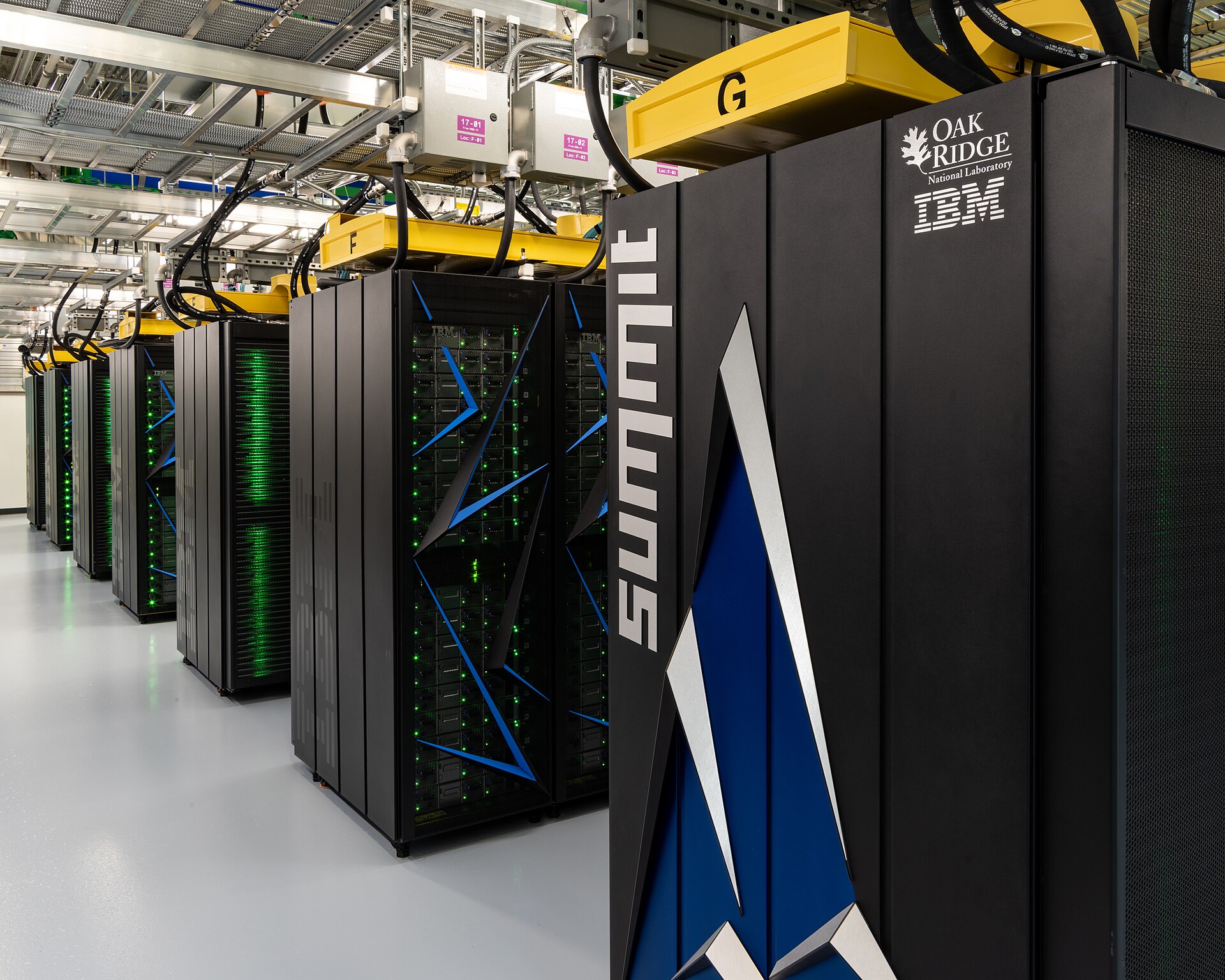
Before quantum computers can change the world, they must survive comparison with the best classical machines — and those machines are not standing still. Exascale supercomputers in Europe are now simulating quantum systems of a size that would have been unthinkable five years ago, stress-testing the algorithms intended for hardware that is still on the drawing board.
It is an arms race of an unusual kind, in which each side improves the other. Coverage in Nature and elsewhere describes a healthy scientific contest: quantum teams chase problems classical machines cannot touch, while supercomputing centres keep redrawing the line those teams must cross.
Simulating a Machine That Does Not Exist
A quantum circuit simulation tracks the state of every qubit and how those states entangle — a bookkeeping task whose memory demands double with each added qubit. Reaching beyond a hundred simulated qubits requires exascale memory and clever mathematics that compresses the problem into the parts that actually matter.
The point is not to replace quantum hardware but to prepare for it. Algorithms for chemistry, materials and logistics can be validated in simulation, so that when fault-tolerant machines arrive, a library of tested methods is waiting rather than a blank page.
Why the Classical Bar Matters
Every claim of “quantum advantage” is judged against the best classical attempt, and that benchmark keeps moving. Several celebrated quantum results were later matched by improved classical algorithms running on large systems — a process scientists describe not as embarrassment but as the field working exactly as it should.
Supercomputing centres have embraced the role of sparring partner. By publishing their simulation records openly, they give quantum researchers a fair target and give funders a realistic map of where quantum machines genuinely lead and where classical computing remains supreme.
The Machines Behind the Milestones
Europe’s flagship systems pair vast arrays of accelerators with some of the most energy-efficient designs ever built, housed in facilities powered increasingly by renewables and cooled with an engineer’s obsession. They serve thousands of researchers across disciplines, from climate modelling to drug discovery, with quantum simulation now claiming a growing share of the schedule.
The investment reflects a strategic judgement: that leadership in computing — classical, quantum and the hybrid of both — underpins everything from pharmaceutical pipelines to weather forecasting. Nations are treating these machines the way they once treated national laboratories and space programmes.
Access is widening, too. Cloud scheduling now lets university teams and startups book time on both exascale systems and prototype quantum processors, knitting together a research community that a decade ago would have needed a national laboratory badge to participate at all.
What Hybrid Computing Looks Like Next
The practical future arriving first is hybrid: quantum processors handling the specific sub-problems they suit, classical supercomputers orchestrating everything else. Software that can split a workload intelligently between the two is becoming as important as either machine alone.
For now, the simulations keep setting records and the quantum hardware keeps improving, each pushing the other. It is a race with no finish line in sight — and the rest of science is happily drafting behind both competitors.
The Wider Picture
Collaboration is the method’s quiet engine. The datasets behind these findings come from consortia spanning continents and decades, funded through political weather that individual projects could never survive. Science at this scale is a promise kept between generations of researchers who will never meet.
Uncertainty, handled properly, is information. The error bars in these stories are not apologies; they are the working edge of knowledge, marking exactly where the next instrument, mission or decade of data will bite. Watching them shrink is watching understanding happen in public.
Quantum computing’s future is being rehearsed, line by line, on the most powerful classical machines ever built. When the quantum era truly begins, it will owe some of its confidence to the supercomputers that spent years pretending to be it.
Read more in our Technology section, and follow the day’s coverage on our homepage.
