

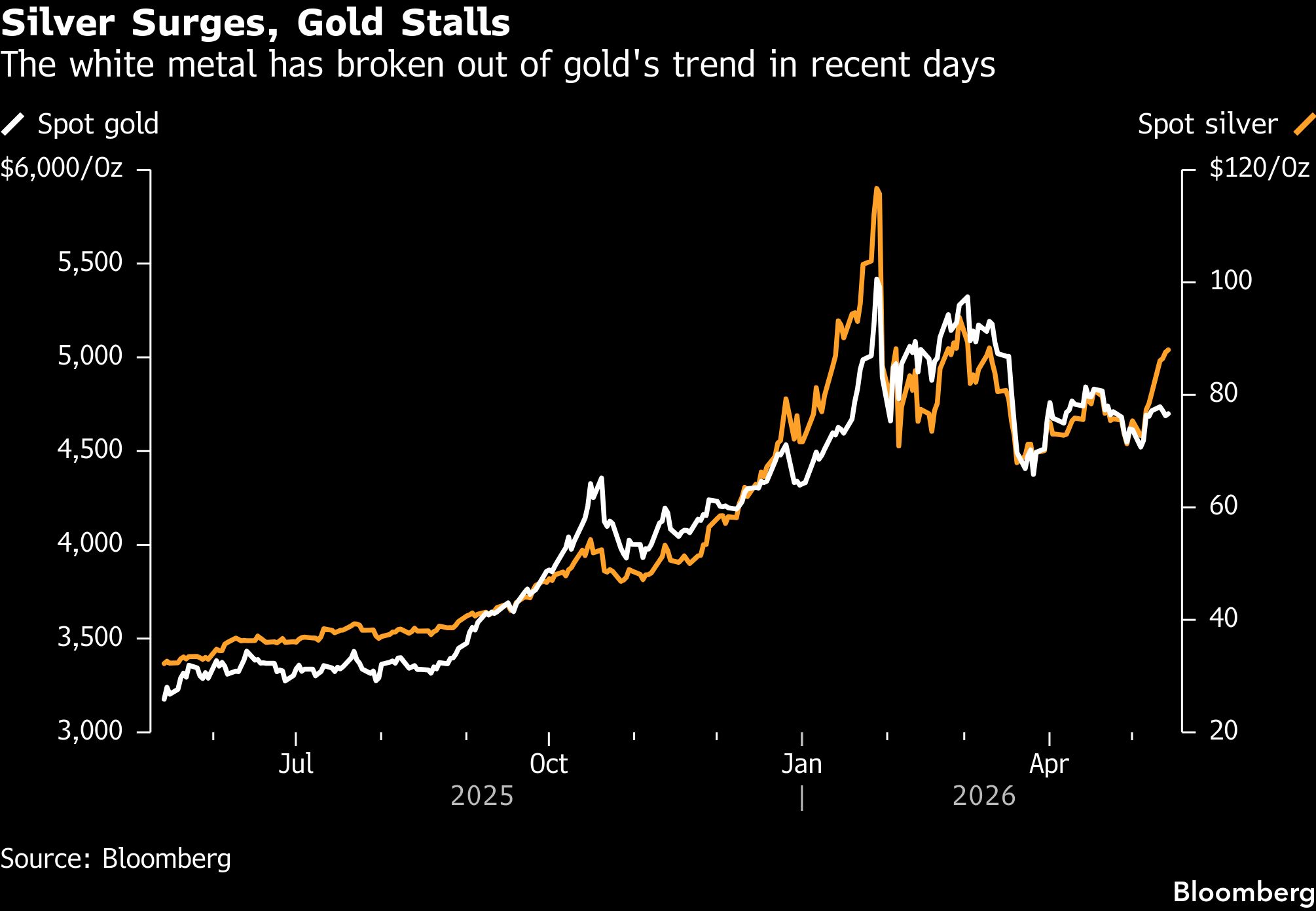
Gold has remained in the spotlight throughout 2026. The prices of this precious metal have hovered near record highs, prompting investors to ask what’s actually fuelling this sustained rally.
A single event won’t give the complete answer. The reason is that gold prices respond to a combination of global developments, economic policies, currency movements, and investor behaviour. While some of these factors influence prices globally, others remain unique to the Indian market. As an investor, it’s crucial to understand these factors to understand price movements with clarity.
Key factors driving gold prices in 2026
Let’s take a look at the combination of global and domestic forces that have been shaping gold prices in 2026.
- Safe-haven demand amid global uncertainty
Traditionally, gold has been considered a safe-haven asset. That trend still continues in 2026 at a time when geopolitical uncertainty encourages investors to move away from riskier assets. Gold is relatively stable and stores value over time.
Political conflicts in West Asia and other regions have fuelled uncertainty, which increased the demand for gold globally. This fresh buying interest has been one of the major forces driving its prices.
- Strong buying by central banks
Central banks around the world continue to buy gold. They have been increasing their gold reserves as part of broader diversification strategies. Many central banks prefer not to rely entirely on foreign currencies or government bonds. Buying gold strengthens their reserve portfolios.
Gold purchases by central banks are not based on short-term speculation. Usually, they buy gold for the long term, and this steady institutional demand provides further support to international bullion prices. Even when markets correct, gold maintains a higher price floor.
- Changes in import duty in India
Gold prices in India have been influenced by its domestic policies in 2026. The country has increased import duty on gold from 6% to 15%, which directly raised the cost of bringing bullion into the country. As India imports a significant portion of gold used for its domestic consumption, higher import duties increase the landed cost of physical gold.
Even when international prices temporarily declined, domestic prices of gold remained high. As a result, imported gold has been expensive for both consumers and investors.
- Depreciation of the Rupee against the US dollar
Globally, gold is traded in US dollars. This means the exchange rate between the Indian rupee and the US dollar plays an important role in determining domestic prices.
Gold imports become expensive when the rupee weakens against the dollar. Even if global bullion prices remain stable or decline slightly, Indian investors may still see higher domestic prices as a result of currency depreciation. This relationship explains why gold prices in Indian markets do not move exactly in the same line with international markets.
- Growing demand for investment through gold ETFs
The demand for investment through gold ETFs has been stronger in 2026, strengthening prices in India. Also, regulatory developments now allow pension funds to invest in gold ETFs. This has widened institutional participation in the asset class. Investors no longer perceive gold purely as jewellery.
They are now considering the precious metal as part of long-term portfolio allocation. This shift in perspective has also increased the demand for gold through investment products rather than physical purchases alone. Rising investments are now a key driver of the gold market.
Conclusion
Gold prices will continue to respond to several interconnected developments, both internationally and domestically. Investors must keep an eye on these gold rate trends, which can help them understand why prices have been increasing.
As an investor, the right approach is to observe the broader forces influencing the market. A clear perspective of these factors can help you evaluate gold as part of your long-term investment portfolio.
