

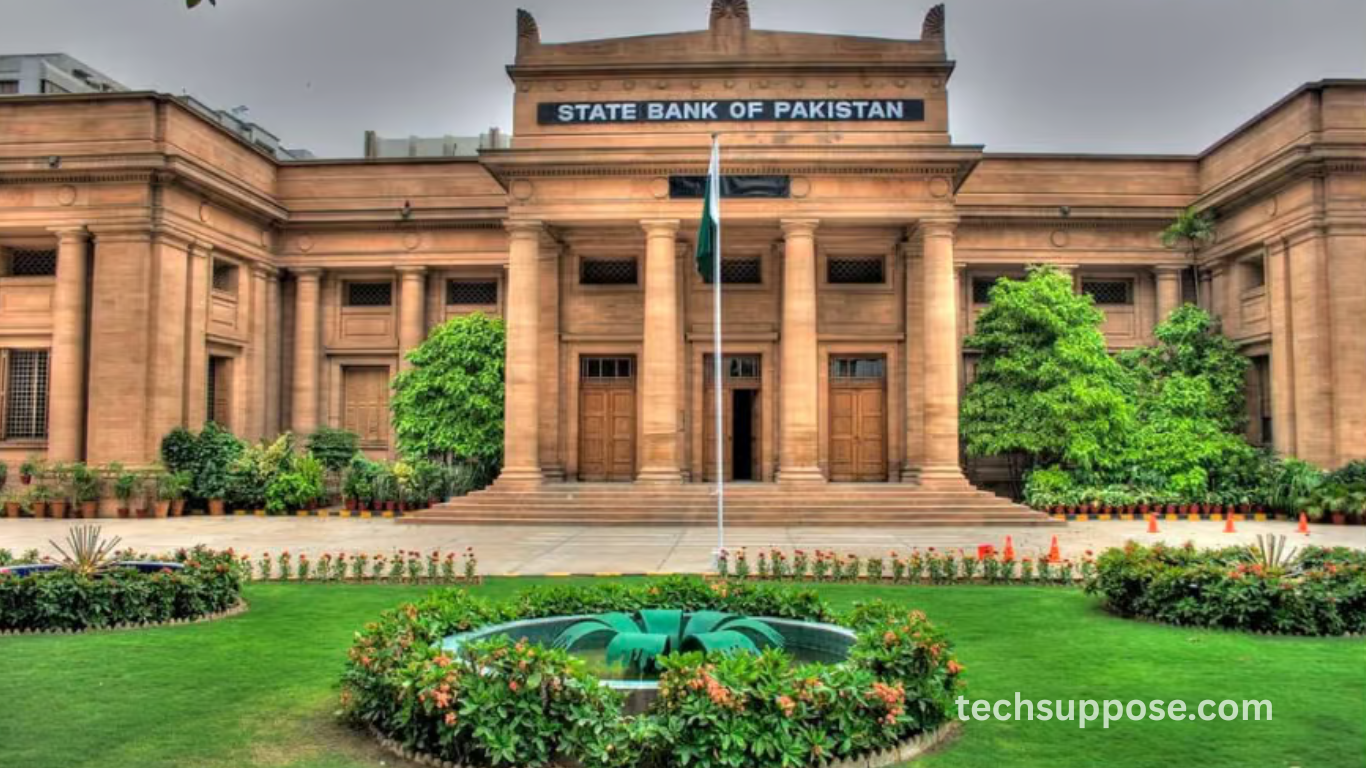
The State Bank of Pakistan (SBP) has injected a record-breaking Rs12.37 trillion into the banking system, marking one of the largest liquidity operations in the country’s financial history. This aggressive monetary move reflects the central bank’s urgent strategy to stabilize credit flow and stimulate economic activity amidst mounting fiscal challenges.
The massive liquidity boost, executed through open market operations (OMOs), aims to address tightening cash positions of banks. It also underscores SBP’s commitment to maintaining macroeconomic stability while easing liquidity strains. This development comes at a critical time when banks face increasing pressure from inflation and interest rate adjustments.
With this unprecedented move, the SBP is recalibrating the nation’s monetary direction. The Rs12.37 trillion infusion has become a focal point in Pakistan’s financial narrative, as policymakers, economists, and investors observe its immediate and long-term implications.
How SBP’s Rs12.37 Trillion Injection Will Reshape the Financial Landscape
The SBP’s liquidity injection is more than a routine policy measure. This scale of intervention signals a strategic pivot designed to support lending, reduce borrowing costs, and cushion financial institutions during volatile economic conditions. Analysts say it’s an aggressive push to combat shrinking liquidity within banks.
The injected capital primarily supports commercial banks by enabling them to meet reserve requirements, extend credit to businesses, and maintain interbank liquidity. The SBP used a mix of 7-day and 63-day OMOs, demonstrating a flexible approach toward market absorption.
Financial institutions now find themselves with ample reserves, potentially triggering a ripple effect across industries reliant on accessible capital. Sectors such as manufacturing, energy, and real estate are expected to benefit from increased loan availability, possibly boosting productivity and job creation.
Why SBP Took This Bold Step at This Time
Several economic stressors led to this aggressive liquidity move. First, Pakistan’s tight monetary stance driven by inflation control policies led to reduced liquidity circulation. Secondly, fiscal deficits have put pressure on the financial ecosystem, limiting credit flow in both private and public sectors.
Moreover, global economic uncertainties, including commodity price volatility and shifting investor sentiments, contributed to market destabilization. With foreign reserves under strain and the rupee facing depreciation pressure, SBP had limited choices to safeguard banking operations.
Injecting Rs12.37 trillion reflects a policy realignment. Rather than simply raising or lowering interest rates, the SBP opted for targeted OMOs, offering a more immediate liquidity impact. It’s also a statement of confidence: reinforcing banking resilience while ensuring the broader economy doesn’t stall.
Market Reactions: A Mixed Bag of Optimism and Caution
Initial market responses to the SBP’s move have been cautiously optimistic. Stock exchanges responded with modest gains, particularly in banking and construction-related stocks. The Pakistan Stock Exchange (PSX) saw increased investor activity as the liquidity pulse injected new energy into capital markets.
However, some analysts warn that excess liquidity, if not managed properly, could lead to asset bubbles or rekindle inflation. Therefore, SBP’s post-injection strategy will be critical in balancing expansionary outcomes without destabilizing core economic metrics.
Commercial banks have welcomed the measure, viewing it as relief amid regulatory pressures and deposit cost burdens. Increased lending capacity could bolster quarterly performance metrics across the board.
Implications for the Banking Sector
For banks, this liquidity surge allows breathing room in managing both short- and long-term financial obligations. Higher liquidity ratios will improve interbank confidence and ease pressure on daily cash requirements.
Additionally, it gives banks the capacity to restructure loan portfolios, offer better credit terms, and potentially lower interest rates. This can increase customer retention and open new financing channels, especially for SMEs and startups that previously faced high borrowing costs.
More notably, banks may now look toward digital and retail expansions, using fresh capital reserves to fund tech adoption and broaden outreach in rural and underbanked regions.
What This Means for Borrowers and Businesses
Borrowers across sectors may soon experience better financing terms. With increased liquidity, interest rates for business loans, personal credit lines, and mortgages could see downward adjustments. This fosters an environment conducive to private sector investment and consumer spending.
Businesses, particularly those struggling with operational financing, can tap into easier credit. From startups to export-driven enterprises, more flexible loan conditions may trigger project expansions, new hiring rounds, and increased production outputs.
This liquidity move also promises relief for the real estate and automotive sectors—both highly credit-dependent industries that faced stagnation during previous monetary tightening phases.
How SBP Plans to Monitor Inflation and Credit Risks
While injecting liquidity is essential, SBP also bears the responsibility of controlling inflation. With Rs12.37 trillion entering circulation, inflationary risks cannot be overlooked. To mitigate this, SBP will implement enhanced monetary surveillance mechanisms.
These include tighter control of the money supply through repo operations, increased scrutiny of bank lending practices, and close tracking of consumer price indices. The central bank has also signaled that further injections will be data-dependent and aligned with macroeconomic trends.
SBP is also working with fiscal authorities to ensure monetary policy complements budgetary objectives, avoiding policy contradictions that could neutralize the liquidity impact.
Will This Move Impact Pakistan’s IMF Negotiations?
Another key dimension to this liquidity decision is its alignment with Pakistan’s ongoing talks with the International Monetary Fund (IMF). Injecting Rs12.37 trillion might be interpreted as a softening of monetary tightening, which could raise questions among IMF observers.
However, SBP officials have reiterated that the liquidity injection is a controlled measure aligned with reform goals. They argue it supports financial sector stability without compromising core monetary targets like inflation control and exchange rate stability.
Experts believe if SBP maintains transparency and can demonstrate fiscal discipline, this move may not negatively impact negotiations. In fact, stabilizing the banking sector could boost Pakistan’s IMF case by showcasing proactive central bank intervention.
Global Context: How Other Central Banks Are Acting
SBP’s decision follows a trend observed in other developing economies where central banks have used liquidity injections to buffer against external shocks. Countries like Egypt, Turkey, and Indonesia have implemented similar measures to maintain domestic financial stability.
By injecting Rs12.37 trillion, SBP joins the global chorus of central banks shifting toward agile monetary tools. The goal is to ensure capital remains accessible, particularly in times of global economic disruption, high borrowing costs, and limited investor confidence.
This move positions Pakistan alongside economies adopting data-driven, flexible monetary strategies that adapt quickly to emerging risks.
Frequently Asked Questions
What is the SBP’s Rs12.37 trillion injection?
It’s a massive liquidity operation by the State Bank of Pakistan through open market operations to stabilize the banking system.
Why did SBP inject such a large amount?
The goal was to ease liquidity pressure, support credit expansion, and stabilize banking operations amid economic stress.
How does this affect ordinary bank customers?
Customers may benefit from easier loan access, potentially lower interest rates, and more stable banking services.
Will this increase inflation in Pakistan?
There is a risk of inflation, but SBP plans to monitor and manage it through regulatory tools and data analysis.
Is this move connected to IMF loan conditions?
While separate, the SBP has structured the injection to remain aligned with IMF reform goals and macroeconomic discipline.
How will this impact small businesses and startups?
Easier access to credit could help SMEs grow, invest, and hire more workers, improving overall economic vitality.
Does this make borrowing cheaper?
Yes, if banks pass on the benefits, loan interest rates could decline, making borrowing more affordable.
How does this compare with actions by other central banks?
It aligns with global trends where central banks inject liquidity to handle crises and ensure financial stability.
Conclusion
SBP’s Rs12.37 trillion liquidity surge marks a pivotal shift in Pakistan’s economic direction. By infusing banks with historic capital, the central bank aims to stabilize the financial sector, empower businesses, and energize markets. The ripple effects of this move are just beginning to unfold.