

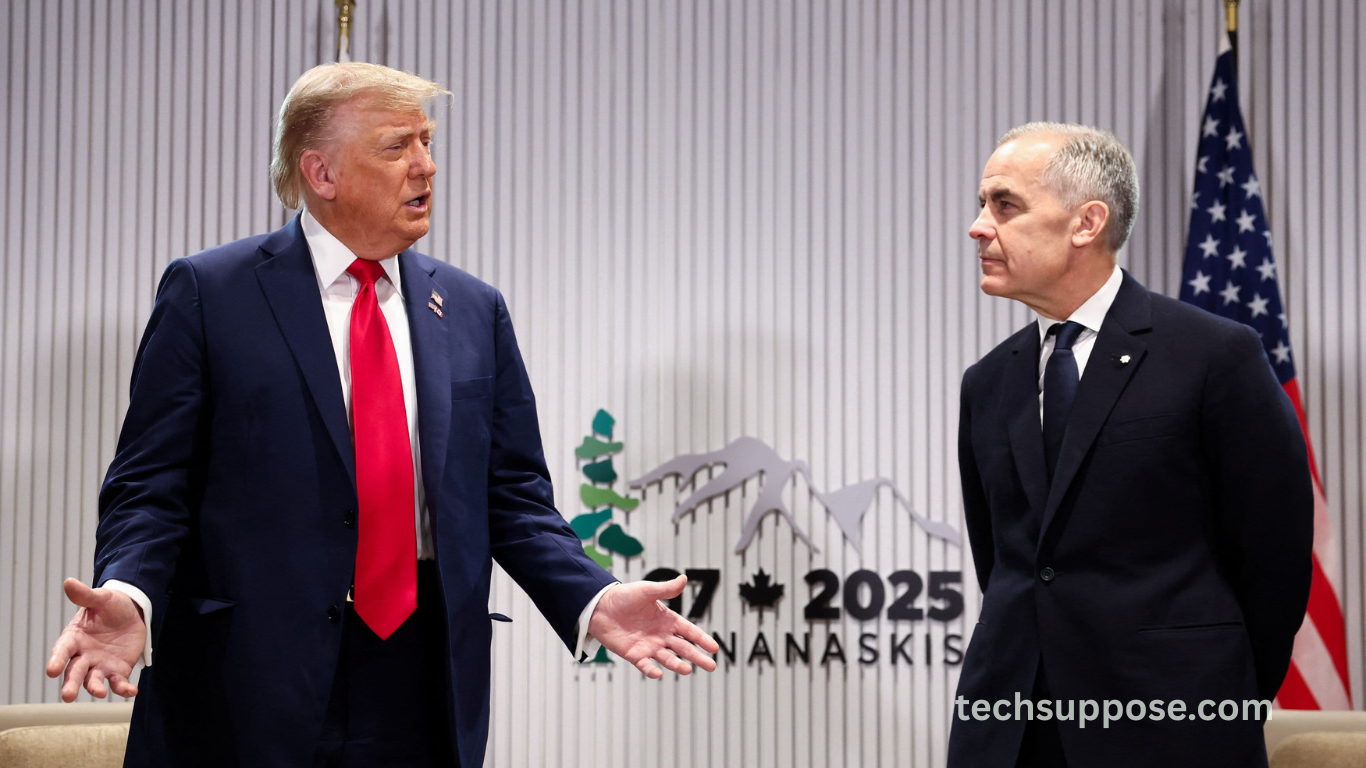
In a bold and controversial diplomatic initiative, the Trump administration is reportedly considering a $30 billion civilian nuclear deal with Iran. The move signals a dramatic shift in strategy that could reshape U.S.-Iran relations and alter the balance of power in the Middle East.
Sources close to the development suggest the proposed deal is aimed at reviving diplomatic channels with Tehran while boosting U.S. energy exports and nuclear technology reach. At a time when global powers are recalibrating their approach toward nuclear non-proliferation, this initiative has triggered widespread debate.
The potential agreement has significant implications for regional stability, nuclear oversight, and domestic political narratives, especially as Trump remains a central figure in American and global politics. Let’s break down what’s known so far.
Background of U.S.-Iran Nuclear Relations
Historically, U.S.-Iran nuclear diplomacy has been complex. The 2015 Joint Comprehensive Plan of Action (JCPOA), signed under President Obama, was a milestone in limiting Iran’s nuclear ambitions. However, in 2018, President Trump unilaterally withdrew from the deal, criticizing it as deeply flawed.
Trump’s “maximum pressure” campaign involved harsh sanctions that crippled Iran’s economy and escalated tensions. Any reversal or new engagement under Trump regarding nuclear cooperation would mark a dramatic pivot, raising questions about his strategic objectives.
Strategic Objectives Behind the Civilian Deal
The Trump administration’s pursuit of a civilian nuclear agreement with Iran appears to be economically and diplomatically motivated. A $30 billion package would enable U.S. companies to export nuclear technology, fuel, and support services to Iran under strict International Atomic Energy Agency (IAEA) guidelines.
This approach, proponents argue, could serve dual purposes: reining in Iran’s nuclear weaponization while boosting U.S. industrial exports. It may also create leverage to curb Iran’s regional activities by offering technological incentives over military coercion.
Geopolitical Implications for the Middle East
A civilian nuclear deal between the U.S. and Iran could alter Middle East geopolitics. Traditional U.S. allies like Israel and Saudi Arabia are likely to express strong objections, fearing Iran’s potential to weaponize civilian tech.
Such a deal could either stabilize the region by re-engaging Iran constructively or fuel an arms race, depending on verification mechanisms and regional trust. The Trump administration’s credibility in enforcing compliance would be put to a major test.
Domestic Political Ramifications
Trump’s potential involvement in renegotiating nuclear cooperation with Iran will undoubtedly provoke intense domestic debate. Critics will accuse him of reversing his own maximum pressure policy, while supporters may praise his pragmatic shift toward economic diplomacy.
For the Republican Party, the move could fracture opinions: hawks may view it as appeasement, while pro-business conservatives could support the commercial gains. For Democrats, it presents a complex landscape: vindication of multilateral diplomacy or a challenge to Biden’s current policy trajectory.
International Reaction and Concerns
The global community is watching closely. The European Union, Russia, and China original JCPOA signatories might welcome renewed U.S. engagement, albeit cautiously. The IAEA’s role would be critical in safeguarding transparency.
Read More: Latest Gold Prices in Pakistan Today – 28 June 2025
Meanwhile, the United Nations may evaluate how this potential deal aligns with non-proliferation commitments under the Treaty on the Non-Proliferation of Nuclear Weapons (NPT). Concerns over dual-use technology and regional arms dynamics will dominate international discourse.
Challenges to Deal Implementation
Several roadblocks lie ahead. Congressional approval remains a significant hurdle. Given Trump’s polarizing legacy, bipartisan consensus on such a high-stakes deal is uncertain.
Furthermore, Iran’s own willingness to re-engage under a Trump-led deal given past hostilities is questionable. Trust deficit, technical compliance, and political will on both sides will determine the outcome.
The Role of Nuclear Energy in Iran’s Development
Iran’s need for civilian nuclear energy is grounded in growing domestic demand. With a rapidly urbanizing population and strained fossil fuel infrastructure, nuclear power offers a sustainable option.
A U.S.-backed program could position Iran as a regional model for responsible nuclear use, provided the safeguards are enforceable and transparent. This narrative aligns with global clean energy transition goals.
Trump’s Foreign Policy Legacy and Future Influence
Whether this deal materializes or not, it adds a new layer to Trump’s foreign policy doctrine. Known for unpredictable decisions, Trump might be positioning himself as a peace broker ahead of upcoming elections or legacy reshaper.
This proposal underscores Trump’s belief in bilateral deals over multilateral constraints. If successful, it could serve as a blueprint for unconventional diplomacy, reinforcing his influence on U.S. foreign policy debates long after leaving office.
Frequently Asked Questions
What is the Trump administration’s proposed nuclear deal with Iran?
The deal reportedly involves $30 billion worth of U.S. civilian nuclear technology exports to Iran under IAEA supervision.
Why is this deal significant now?
It marks a potential shift from Trump’s past “maximum pressure” strategy, favoring economic engagement over isolation.
Is this deal similar to the 2015 JCPOA?
No. While both involve nuclear oversight, this deal is more focused on civilian energy use and economic cooperation, not sanctions relief.
Will Iran accept a deal from Trump after past tensions?
That remains uncertain. Iran’s leadership may demand guarantees or concessions before engaging with any Trump-led initiative.
How will U.S. allies react to the proposed deal?
Countries like Israel and Saudi Arabia are expected to oppose it, citing security concerns and distrust of Iran’s intentions.
What role will Congress play?
Congress must approve major international agreements. Trump’s strained relations with lawmakers could complicate progress.
What benefits does the U.S. expect from the deal?
Besides geopolitical influence, the U.S. could boost nuclear tech exports, create jobs, and gain leverage over Iran’s regional actions.
How does this affect Trump’s political image?
It could portray him as a flexible statesman or, alternatively, as inconsistent depending on public and media narratives.
Conclusion
The Trump administration’s exploration of a $30 billion civilian nuclear deal with Iran is both a geopolitical gamble and a diplomatic opportunity. Its outcome could reshape not just Middle East dynamics, but also Trump’s enduring legacy on the world stage.